


Agriculture and livestock farming transformed landscapes during the Neolithic. Chasséen culture, stelae and exchanges of raw materials bear witness to these changes.
Chasséen communities
During the fifth and fourth millennia BC, the Chasséen culture developed in Provence. It belongs to the Neolithic, a period when communities were already growing crops and raising livestock.
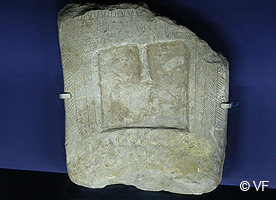 The Chasséen communities established lasting settlements, cleared land and made pottery. They transformed their surroundings to meet their needs. Anthropomorphic stelae found in Provence also bear witness to the symbolic practices of the Neolithic.
Long-distance exchange
Exchange networks already connected distant areas: flint, obsidian and other raw materials travelled long distances. Chasséen culture extended across much of France, with regional variations. Provence participated in this wider world and its connections with neighbouring regions.
The development of early metalworking
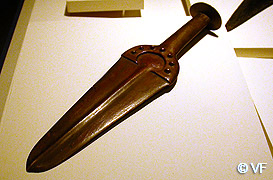
Later, copper working developed, followed by bronze. The Bronze Age extended roughly from the end of the third millennium to the beginning of the first millennium BC. Metal tools spread without immediately replacing stone ones.