


Below Mont Ventoux’s eastern slopes, Sault overlooks a plain of lavender and other crops. The village can be explored year-round; flowering fields, distillery visits and cycling outings need to be planned according to the season.
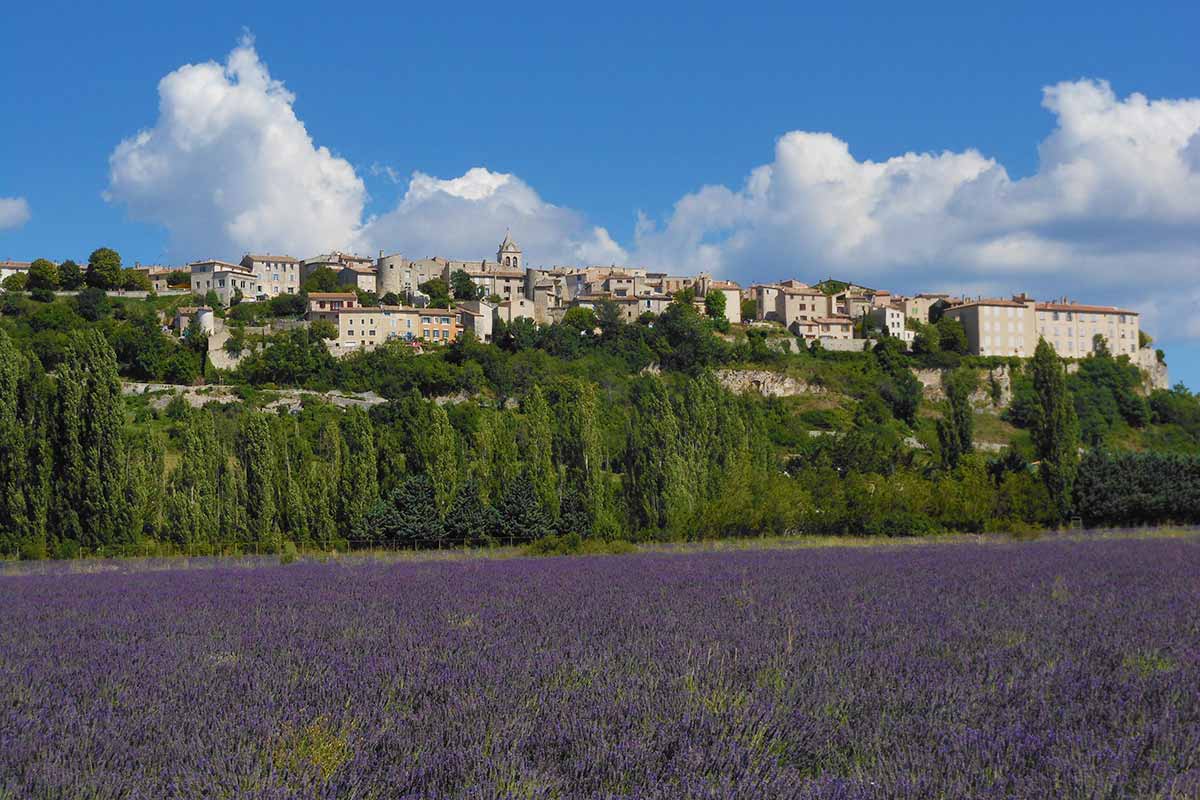
Sault, the village and its history
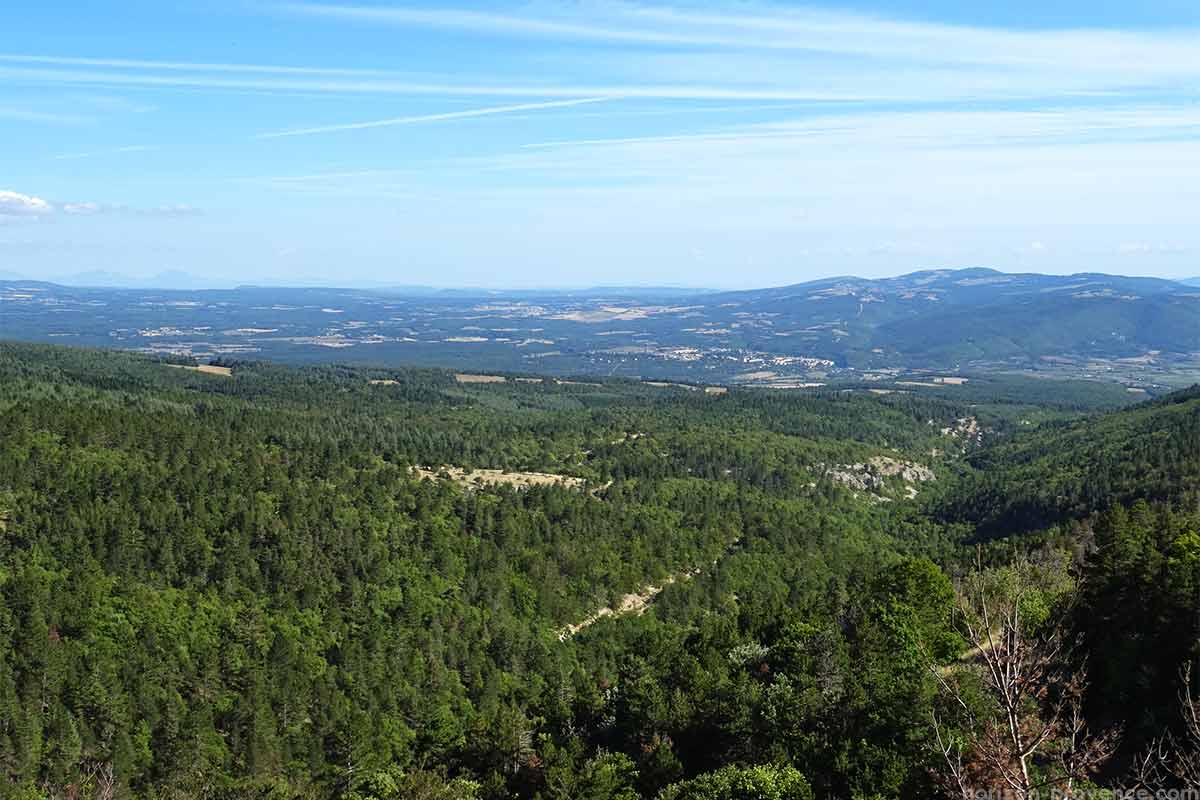
Sault is located in the heart of a preserved region, away from the main transport routes: it is authentic lavender country which offers superb landscapes to contemplate and enchanting scents. Sault is located between Mont Ventoux and the Albion plateau, in the northeast of the Vaucluse department, on the border of the Provençal Drôme.
The small town stands on a promontory of the Albion plateau opposite the eastern flank of Mont Ventoux, the houses dominate the plain below where fields of golden wheat alternate - einkorn wheat is cultivated - and with the purple of the lavender fields. The region is an ideal place to walk and hike for lovers of nature and aromatic scents, and for keen cyclists, a road climbs to Mont Ventoux via Chalet Reynard, it is considered the least difficult of the three main ascents.
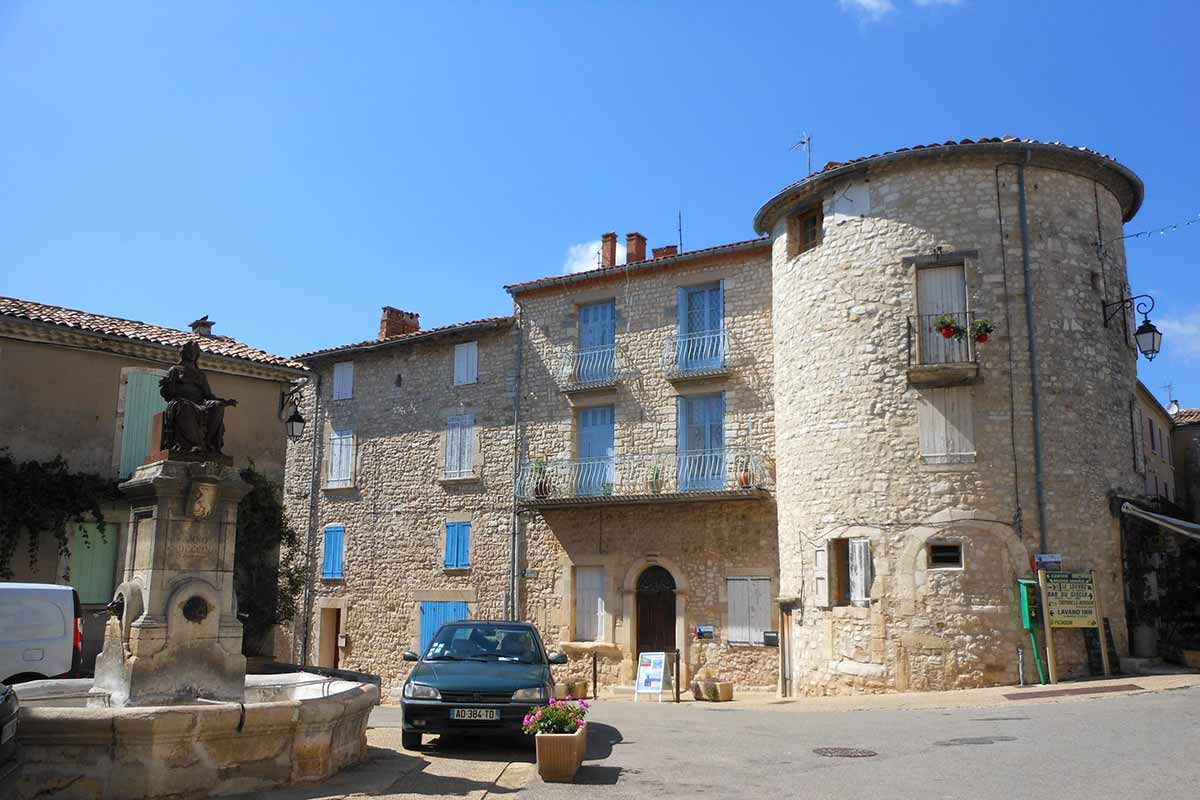
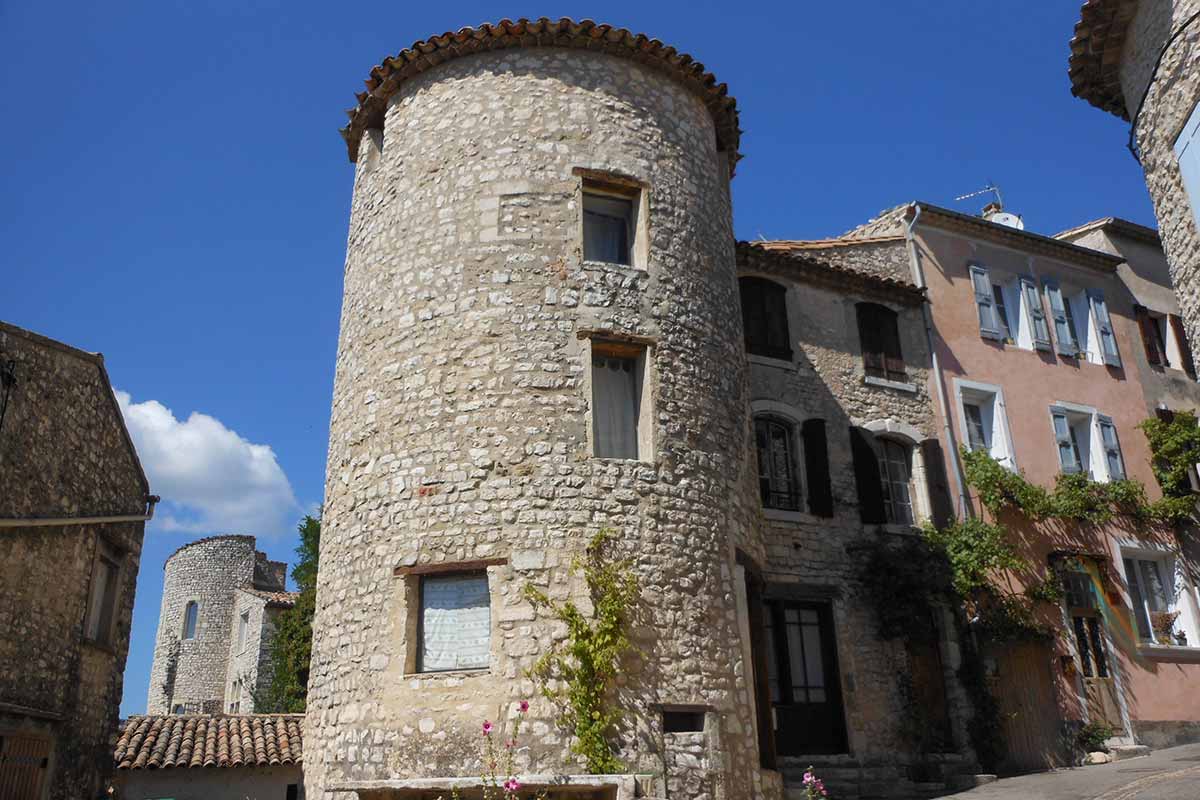
The German Emperor Henry II the lame handed over the barony of Sault and its valley to Agoult de Loup, in gratitude for his services. Sault became the fiefdom of the house of Agoult, a large noble Provençal family. There is little left of feudal times in the architecture of the city: the castle was included in later constructions. At the corner of the streets of the old city, we notice the rounded bulge of the feudal towers of the Château des Agoult.
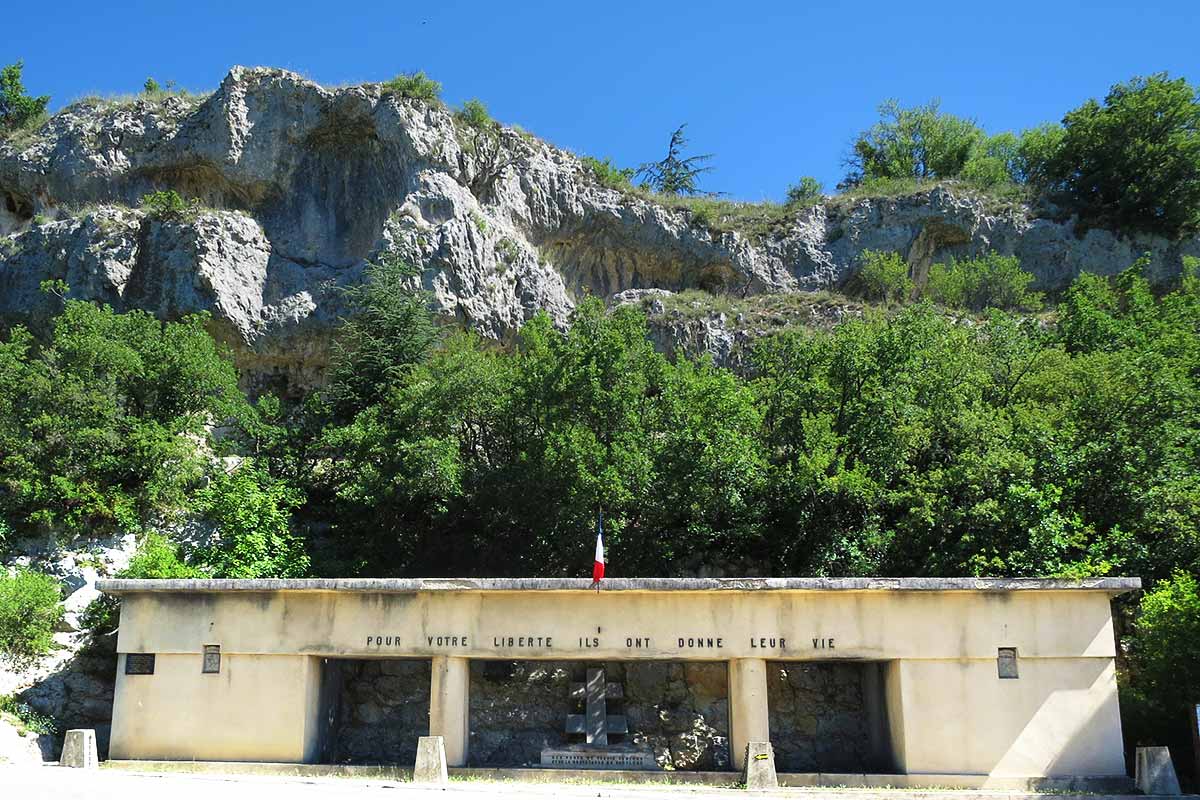
During the Second World War, the Sault region was an active centre of a resistance movement against the Nazi occupier. The Maquis Ventoux sheltered many men who refused compulsory labour service (STO), housed in the surrounding farms, hidden as farm workers. The FFI fought hard in 1944 in the region, the city of Sault suffered reprisals from the occupier, houses were destroyed and residents arrested, some deported to Germany. A Maquis Ventoux memorial is located at the foot of the city.
Lavender in Sault's countryside
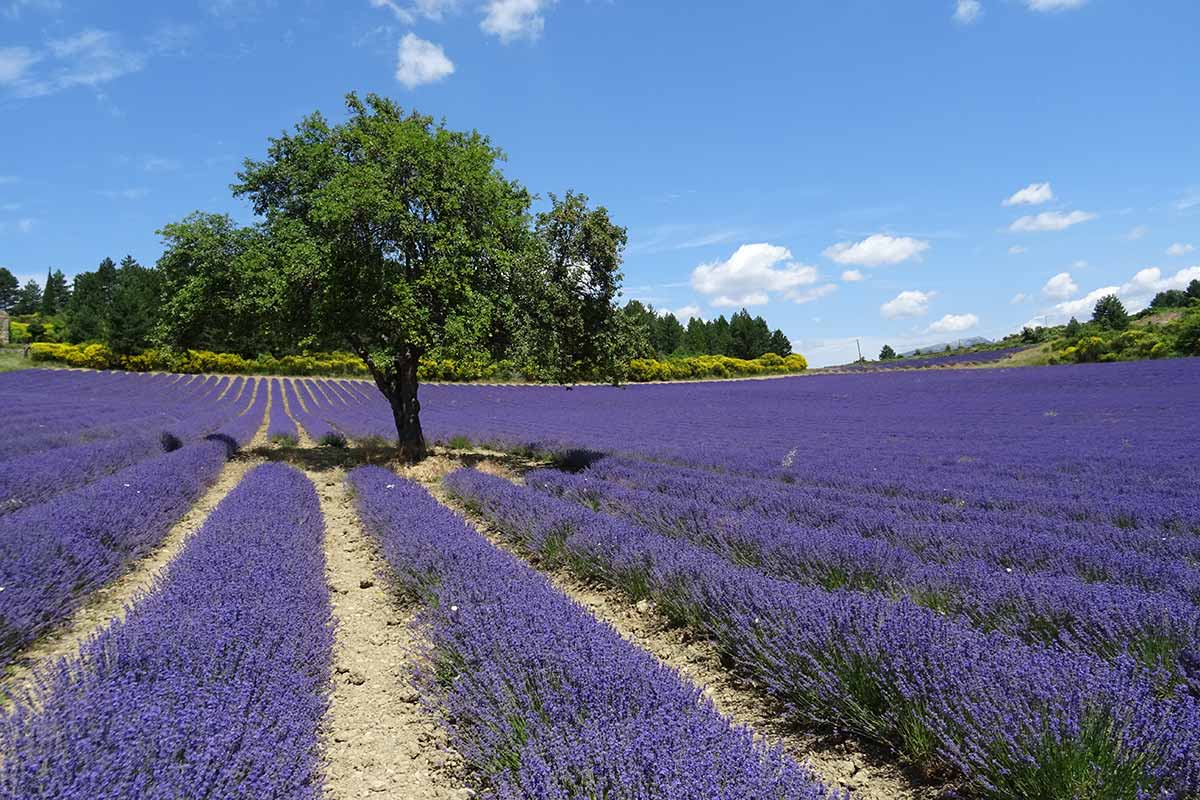
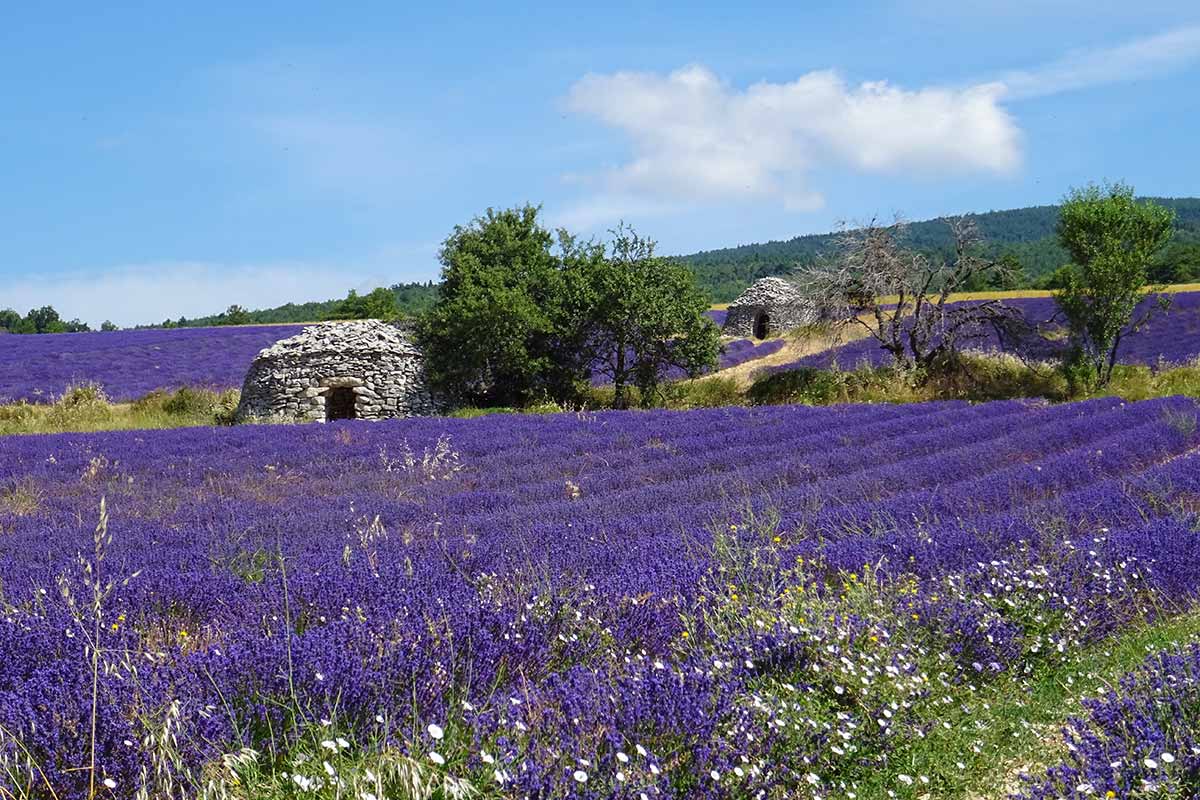
"Lavender is the soul of Haute Provence" wrote Jean Giono.
Lavender is a hardy aromatic plant that was harvested by shepherds and some farmers on the heights of Mont-Ventoux or the Albion plateau. It is still found along the roads, at an altitude of 800 metres from June to mid-August. It was in the 19th century with the development of perfumeries in Grasse that the demand for lavender increased and that farmers began to cultivate this plant.
Fine lavender and lavandin are different plants, both found in Provençal landscapes. Their cultivation, scents and uses differ. Around Sault, flowering depends on altitude, weather and harvest dates.
Lavender has become the symbol of Provence, and a major tourist asset for the Sault region. The great Lavender Festival on August 15 is a must-attend event where lovers from all over the world come together to enjoy this exhilarating aromatic plant. A lavender festival is also held on the 1st Sunday of July in the village of Ferrassières, 10 km from Sault on the Albion plateau.
The "Chemin des Lavandes" from Sault (5.5 km loop) allows you to explore lavender fields, discover distilleries and contemplate postcard landscapes.
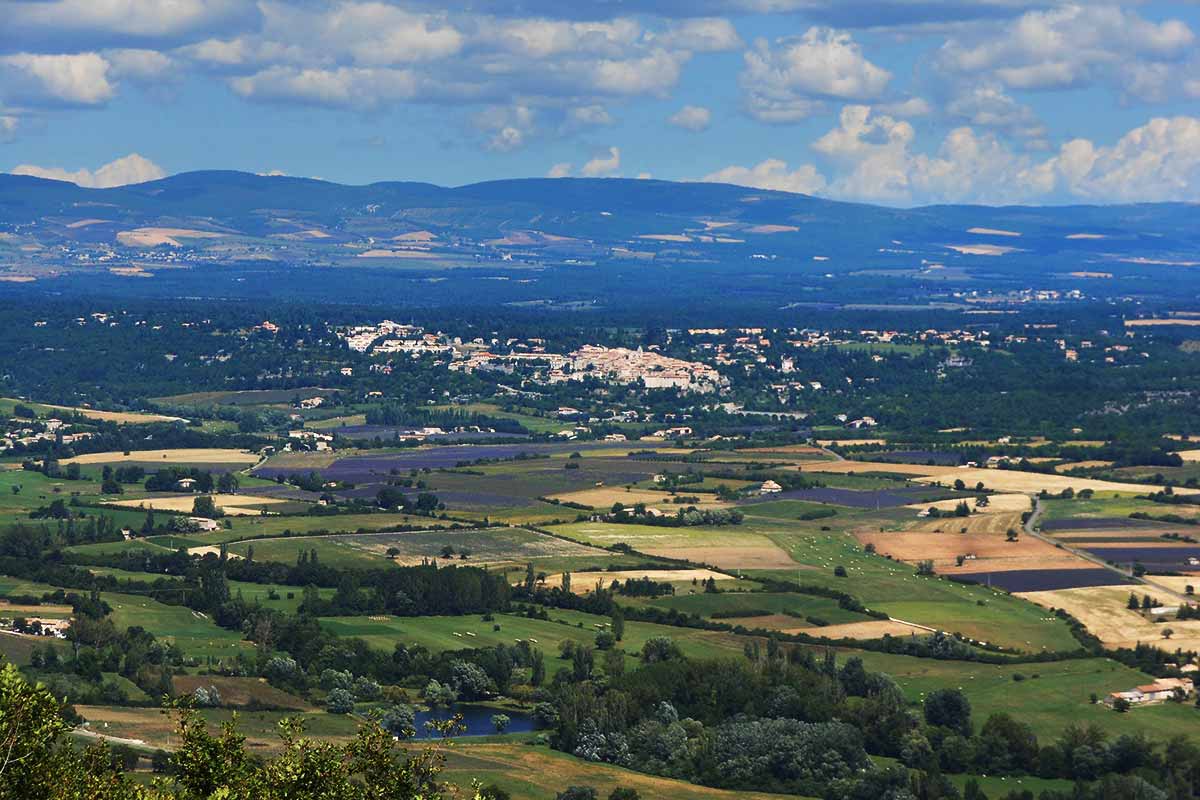
Cycling the Mont Ventoux from Sault
The ascent of Mont Ventoux from Sault is considered less difficult than by Bédoin or Malaucène. The D164 road starts at the foot of the village (719 metres above sea level), it is 26 kilometres long, with a difference in altitude of 1150 metres and an average slope of 4.6%. The road rises through lavender fields and then enters the forest. Over the first 12 kilometres, the slope oscillates between 5 and 7% of inclination, it is a little long but not insurmountable for a trained cyclist. The chapel of Ventouret signals the passage of the 1000m of altitude.
Once past the 1200 metre sign, the next five kilometres are a gentle, steady uphill stretch that allows you to gain speed and shift onto the big chainring. The road offers some sumptuous views of the valley and the Monts de Vaucluse. It is from Chalet Reynard that things get more complicated, during the next 6 kilometres, the landscape becomes lunar and the slope steepens to an average of 8% and if the wind is present, the conditions can become very difficult, even dangerous if the mistral blows hard at the Col des Tempêtes (1840 metres above sea level). If there is less than one kilometre left before the summit, you still need some strength to overcome the most difficult passage with slopes at 11%.
The ascent of Mont Ventoux from Sault remains a mountain ride, even though its average gradient is less severe than the other approaches. Plan the route, check the weather and road access, and allow for wind and conditions at the summit.
Sault Nougat
Nougat de Sault is a confectionery that has earned its reputation among the most demanding gourmets. The Boyer nougat factory has existed since 1887, it has been managed by several generations of Boyer since Ernest Boyer founded it in 1887. It is an artisan confection made from local products: lavender honey and almonds. By mixing honey with stiffly beaten egg whites, we obtain white nougat, soft and melting, while black nougat, slightly caramelized is more crunchy and appreciated by purists. The Boyer nougaterie can be visited, and it also offers gourmet specialities: crunchy biscuits with Provençal almonds, raisins and natural orange extract, calissons with almonds, candied melon and orange peels, cakes made with einkorn flour, old-fashioned marshmallows flavoured with fruit and rolled in icing sugar, Provencal macaroons with almonds from Provence and bitter almonds.
Sault and Lavender in photos : slideshow
-
Sault country
-
Sault, lavender country in Provence
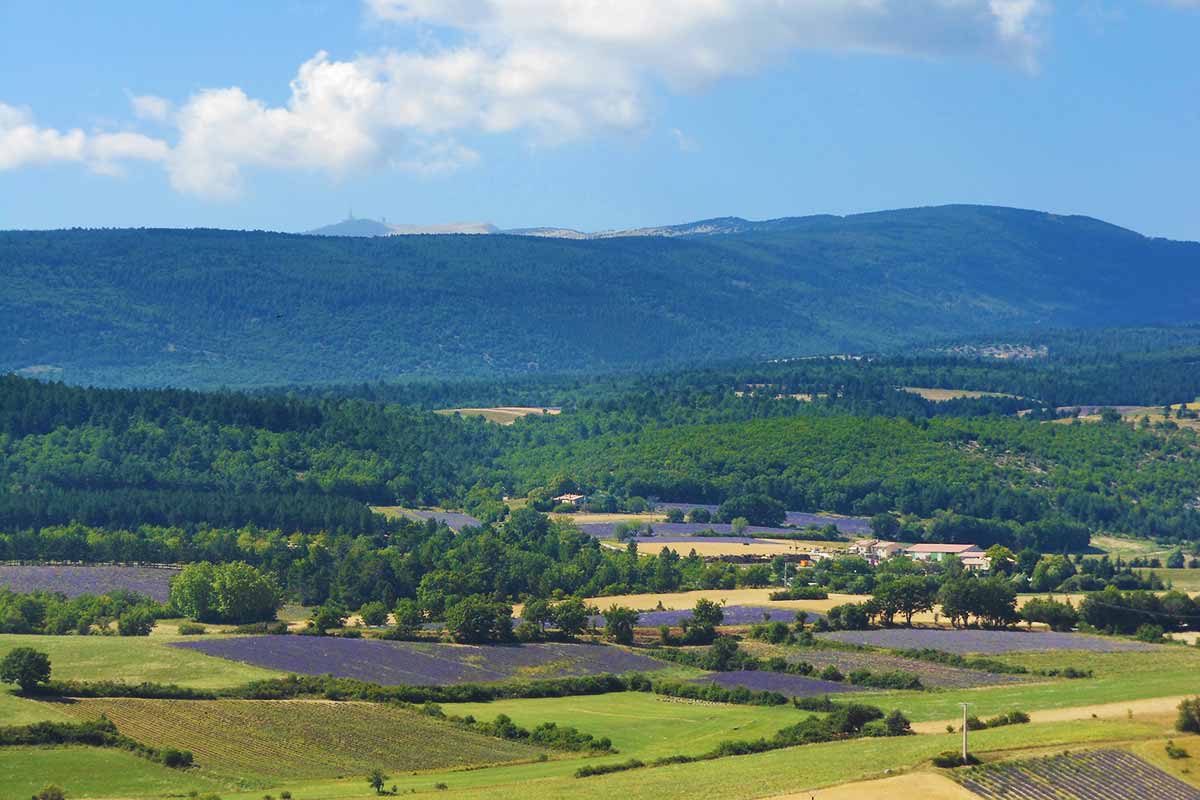
Panorama on the Mont Ventoux from Sault
-
Church Notre-Dame de la Tour in Sault
-
Sault, village in Provence, tower of the old castle of Agoult
-
Lavender in Sault country
-
Sault, village in Provence, tower of the old castle of Agoult
-
Maquis du Ventoux Memorial in Sault
-
Lavender field near Sault
Planning your visit
For flowering lavender, check conditions shortly before your stay: timing varies by year and the fields are harvested. Respect crops and private property. Distillery visits and events have their own programmes.
Accommodation and practical information
Great
selection of guest houses near Sault and the Plateau d'Albion
Sault's tourist office website : www.ventoux-sud.com
What to see and what to do in Sault :
- The old town with houses with Renaissance facades
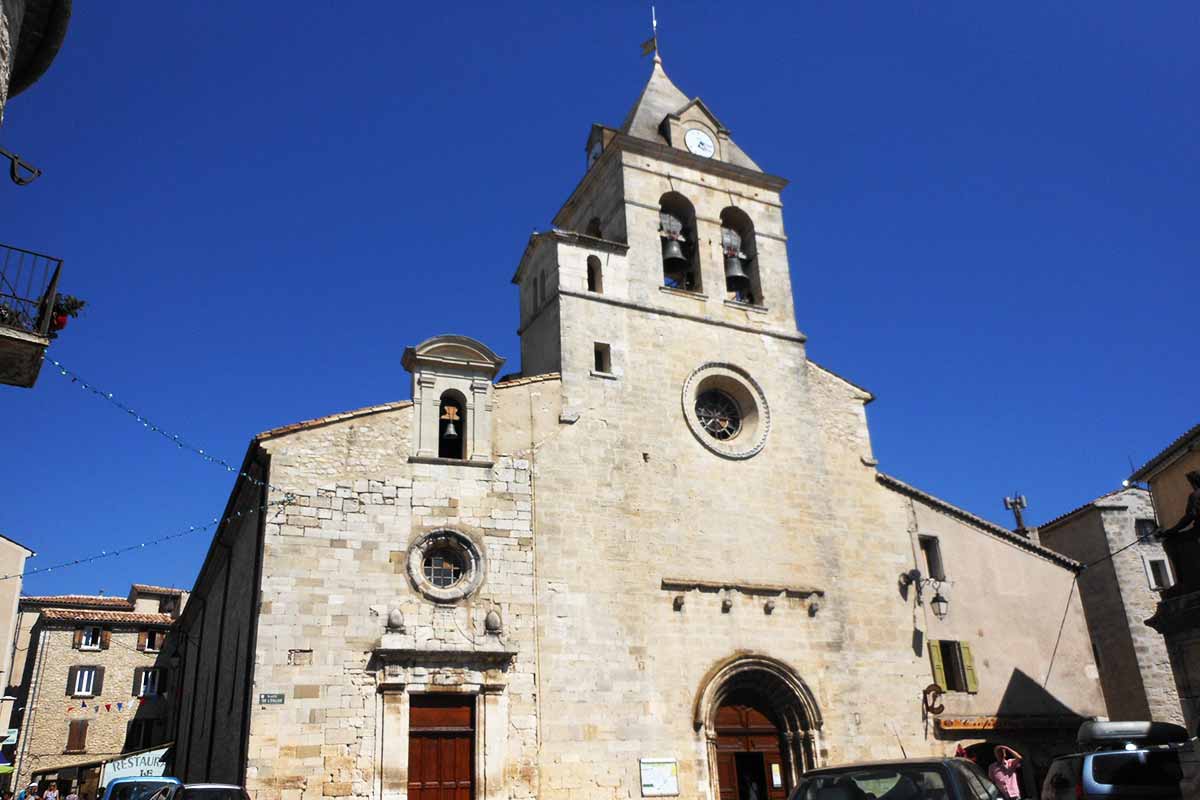
- Église Notre-Dame-de-la-Tour also known as Église Saint-Sauveur
- Maquis du Ventoux Memorial
- Weekly market on Wednesday mornings
- Lavender Festival on August 15th: fetedelalavande.fr
- Caving explorations in the caves: Trou de l'Ermite, Bouffard pothole, Cougnoux pothole, Meynière pothole and Jean Nouveau pothole.
- Walking and mountain bike rides on the Albion plateau towards Mont Ventoux and the Monts du Vaucluse.
- Sault City Museum: a museum like a cabinet of curiosities made up of an eclectic collection and paintings by the local painter Evariste de Velernes. Open in July and August
- Nougaterie Boyer: nougat-boyer.fr
- Visits to lavender distilleries (ask the Tourist Office)
Coming to Sault
GPS coordinates 44°05'31'' N - 5°24'32'' E
Location : 760 meters above sea level, 1400 inhabitants, 6 miles from belvedere of the Nesque gorge, 8 miles from Montbrun-les-bains, 17 miles from Banon, 19 miles from Apt, 15 miles from the summit of Mont-Ventoux, 24 miles from Carpentras, 41 miles from Avignon.
Getaway · Guest Houses in Provence PortalLavender around Sault and the Albion plateau Explore further with my articles in the Getaways section of the Guest Houses in Provence Portal: Lavender around Sault and the Albion plateau.