


In the heart of the Luberon, Goult is best explored on foot, from its stone lanes and old ramparts to the Jerusalem windmill. Below the hill, the hamlet of Lumières recalls the history of pilgrimage in Provence.
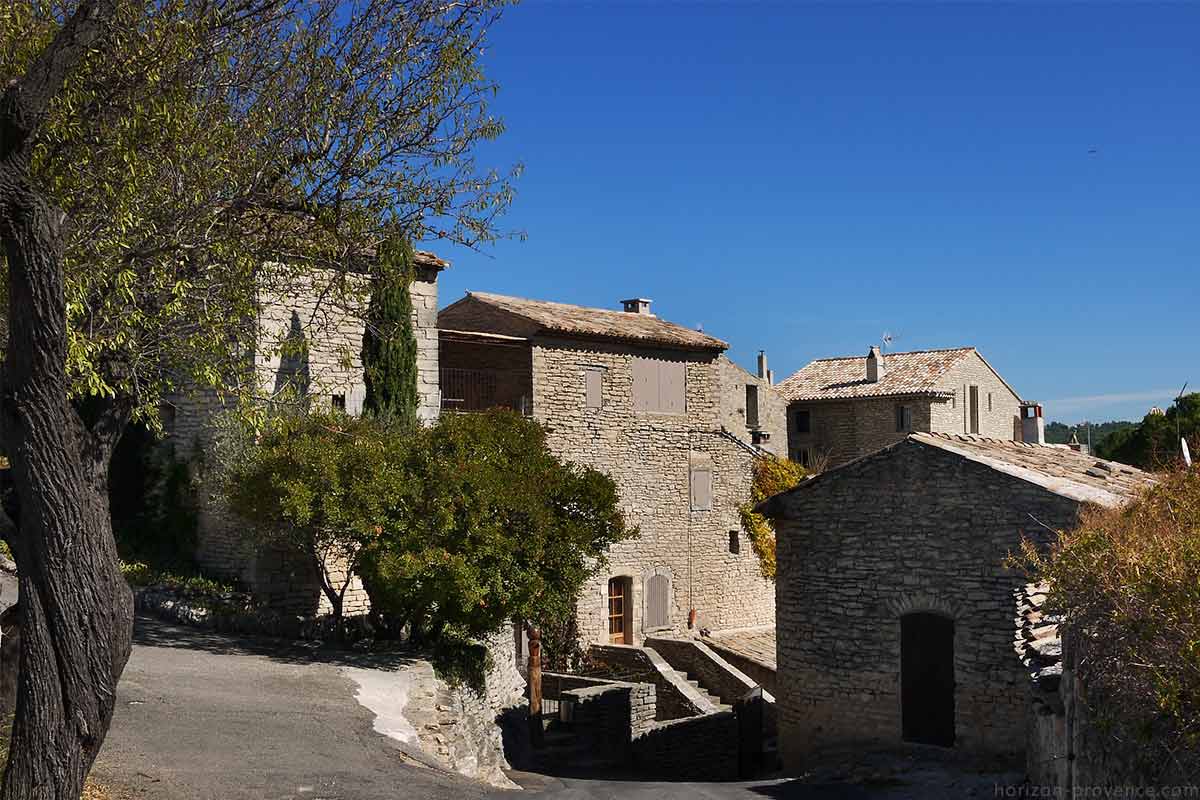
Goult, a picturesque and charming village in the Luberon
Visiting Goult
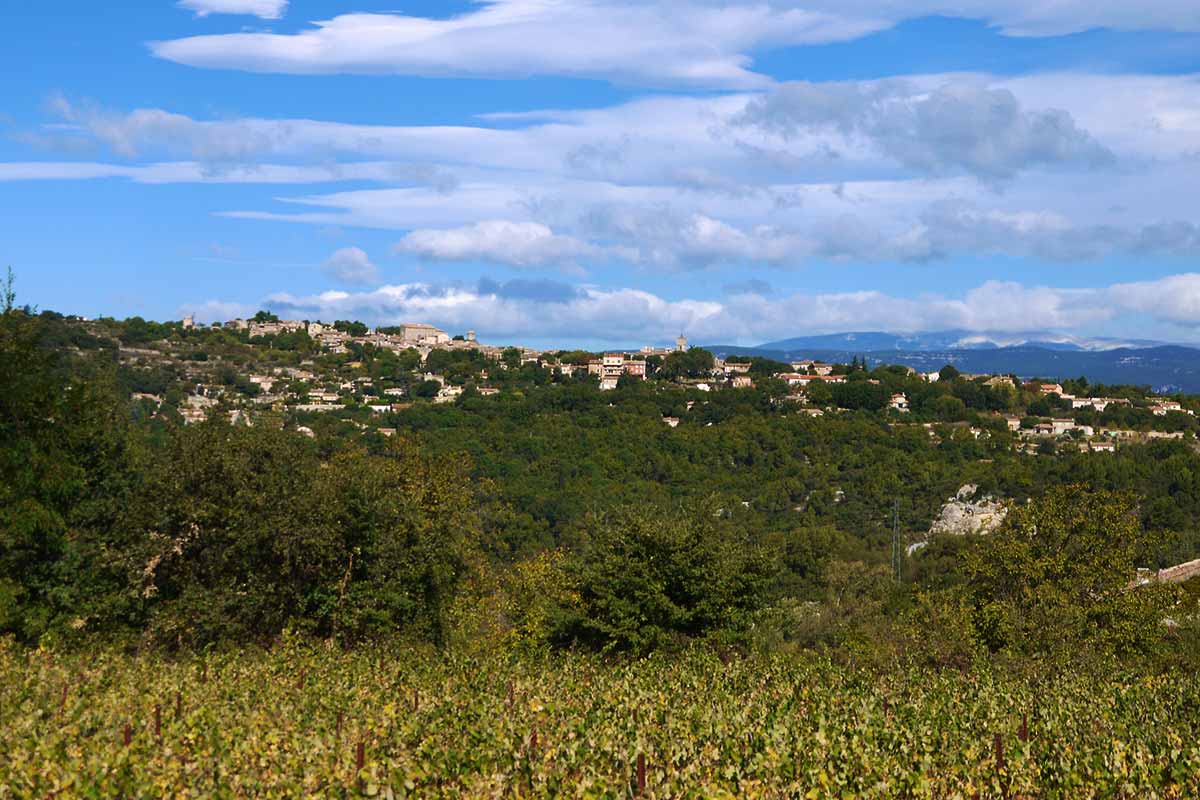
Goult is located on a hill in the Calavon valley, the village is built around a medieval wall and a castle. Goult is much more discreet than the neighboring spectacular perched villages. The hill on which the village is located is broad and has a fairly flat summit, with no steep slopes for the houses to form a striking skyline visible to travellers passing along the ancient Via Domitia below in the Calavon valley, the main communication route between Italy and Spain during antiquity and the Middle Ages. Goult is best seen from the road that climbs to the neighboring village of Lacoste on the other side of the valley.
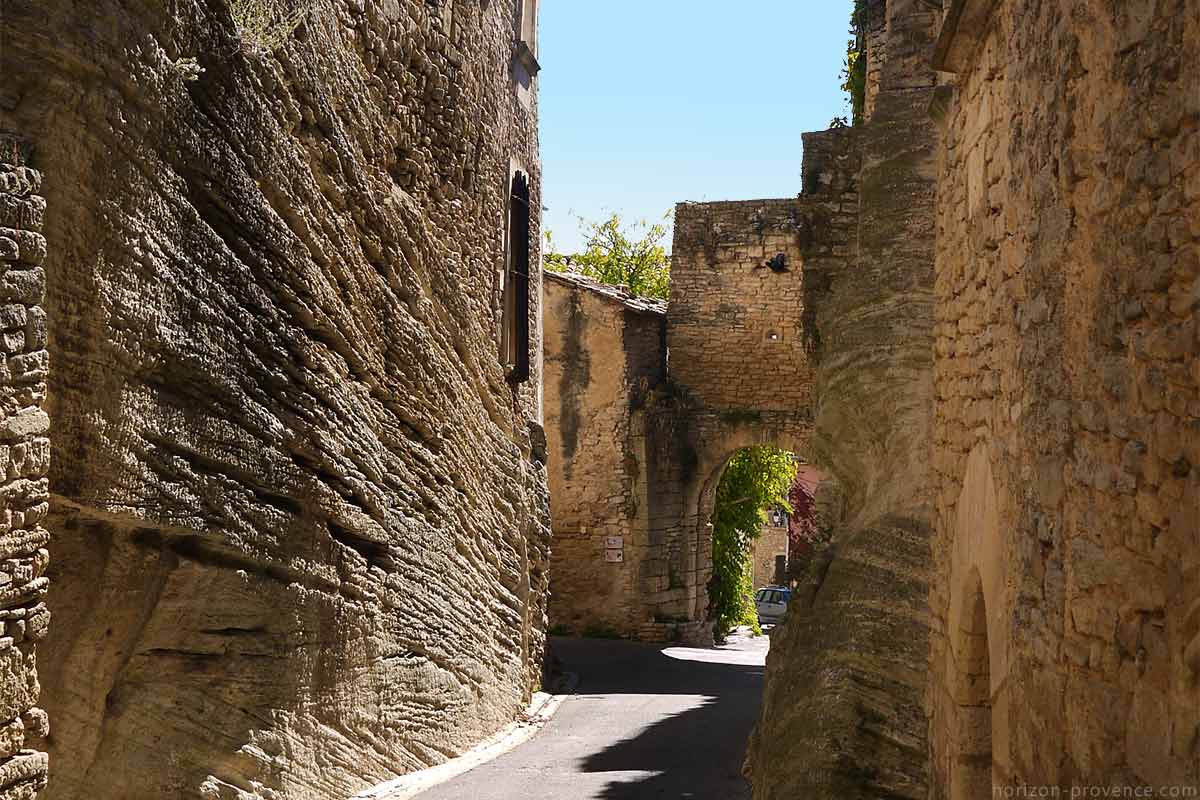
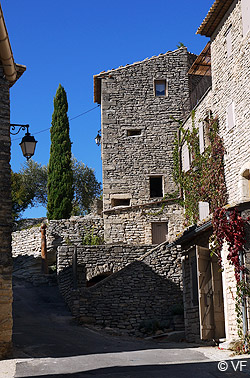
The old village unfolds beyond the church square, through narrow streets and passages beneath the former ramparts. Restored stone houses, terraces and gardens lead towards the castle, which is privately owned. The charm of Goult lies as much in these details as in its wider views.
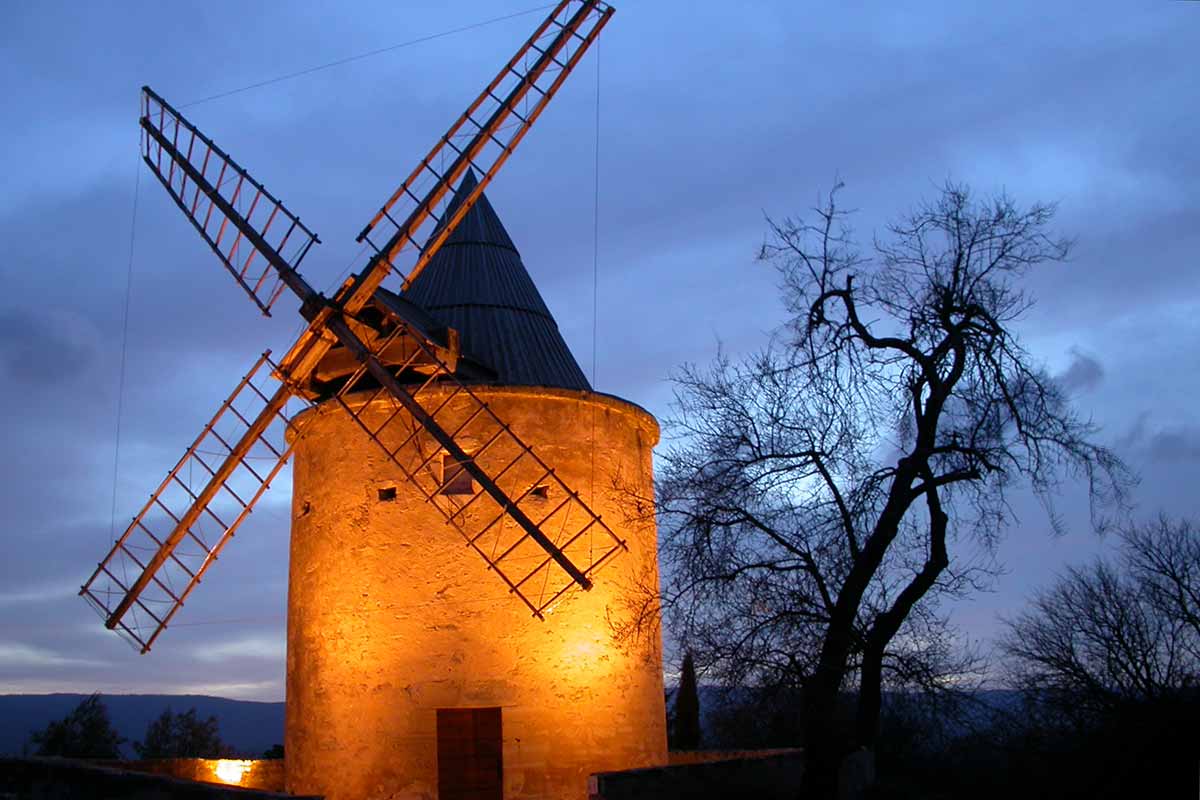
At the top of the village stands the Moulin de Jérusalem, overlooking the Calavon valley. Its rotating roof once allowed the sails to face the wind. The exterior and views are part of the walk; the interior is not open to the public. From here, the marked village route also leads towards the old cultivation terraces.
Notre-Dame-de-Lumières
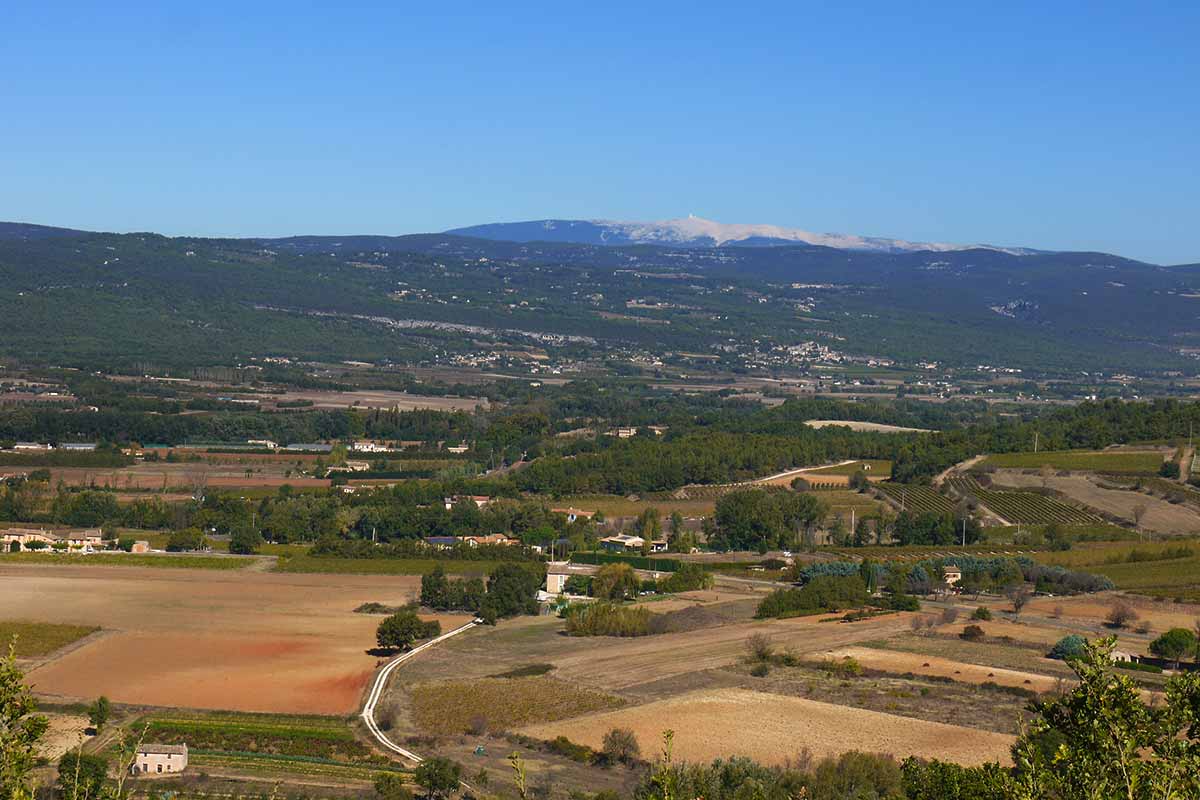
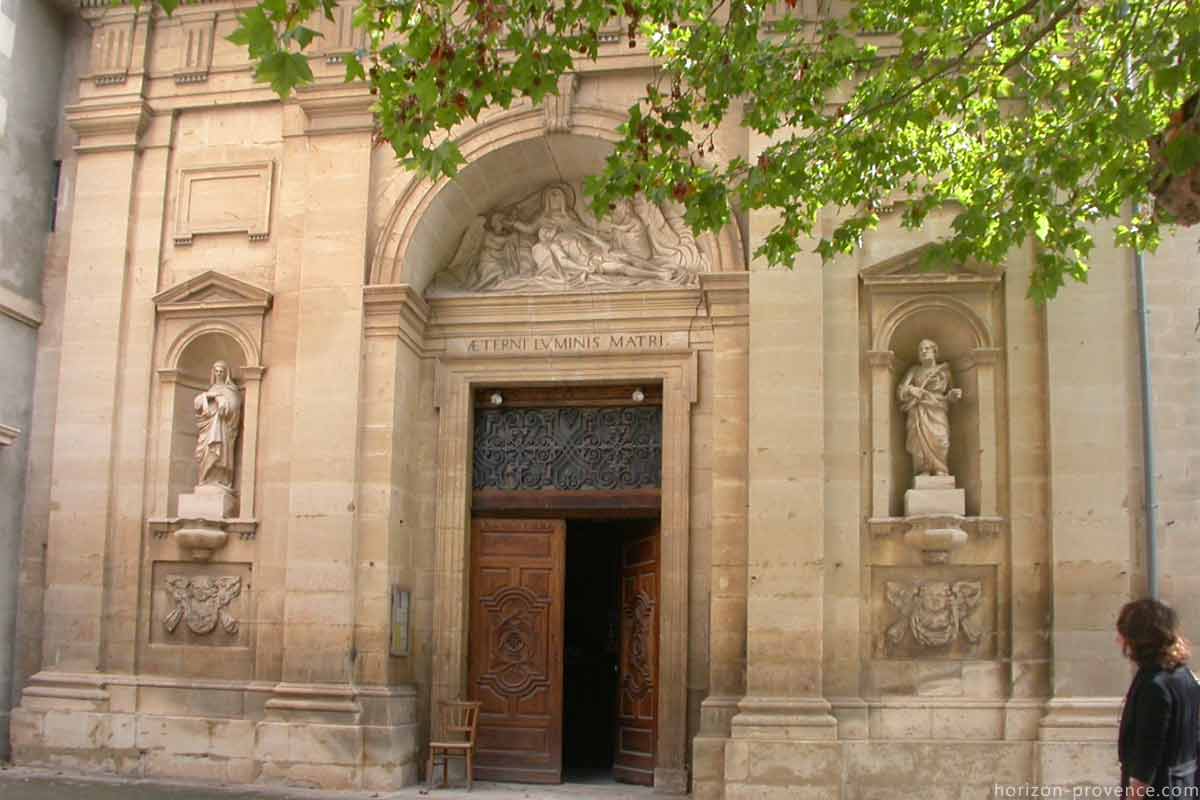
The hamlet of Lumières is located in the valley at the foot of the Goult hill, at the outlet of the Limergue valley, along the main road between Apt and Avignon (RD 900). From the 17th to the 19th century it was a major place of pilgrimage in Provence.
According to tradition, in 1661, Anthoine Denante, a 63-year-old peasant, saw a great light on his land and in the middle of it the most beautiful child he had ever seen. He tried to take him in his arms and noticed that his stomach wound that he had been carrying for years had healed. The news of the miracle spread and attracted many pilgrims. The old chapel nearby was enlarged and rebuilt, and renamed Notre-Dame-de-Lumières. It remained a popular pilgrimage destination until the 19th century. Many miracles are recorded, as evidenced by the many ex-votos in the church. The pilgrimage has now lost its popularity but a procession takes place every year on August 15.
The Agoult Family
The name of Goult is associated with the Agoult family, whose lords played an important role in medieval Provence, particularly around Apt and Sault. The family held Goult until the 16th century, when the Donis family succeeded them. The village coat of arms recalls both lineages.
Photos of Goult: slideshow
Goult, village in the Luberon
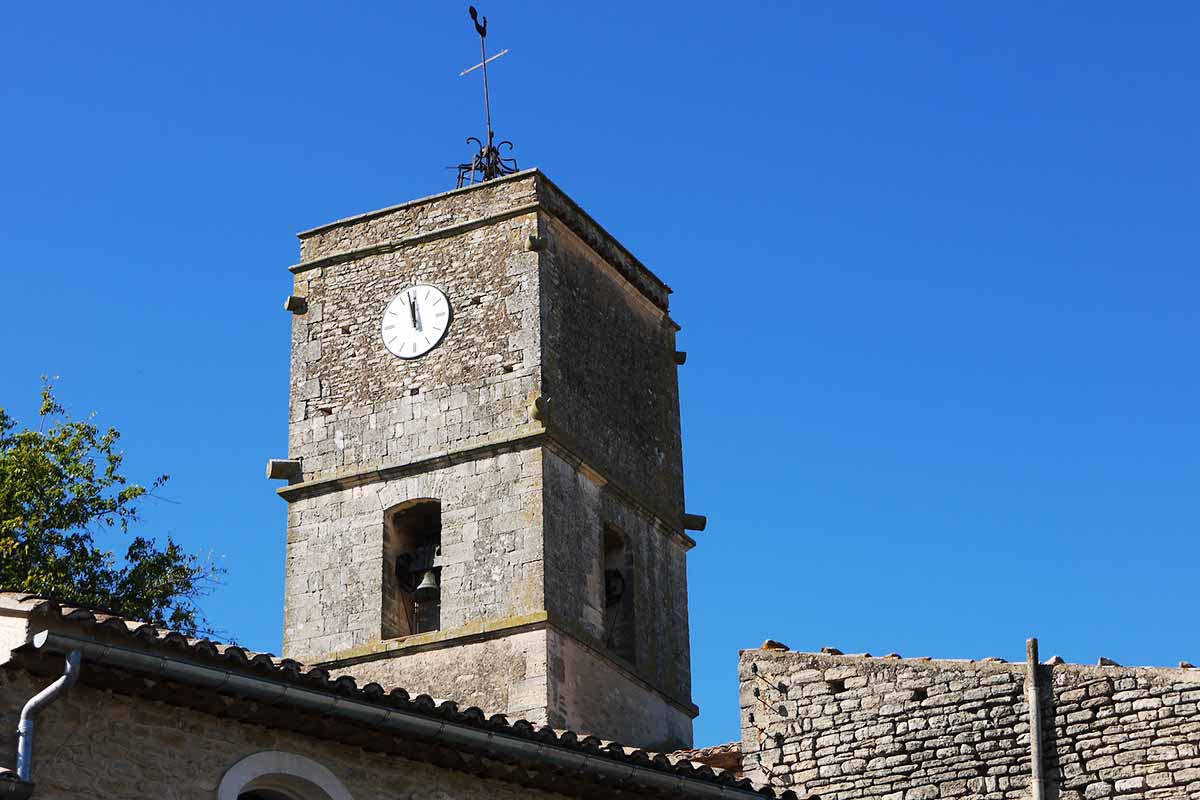
Goult, church tower of the Church Saint-Sébastien
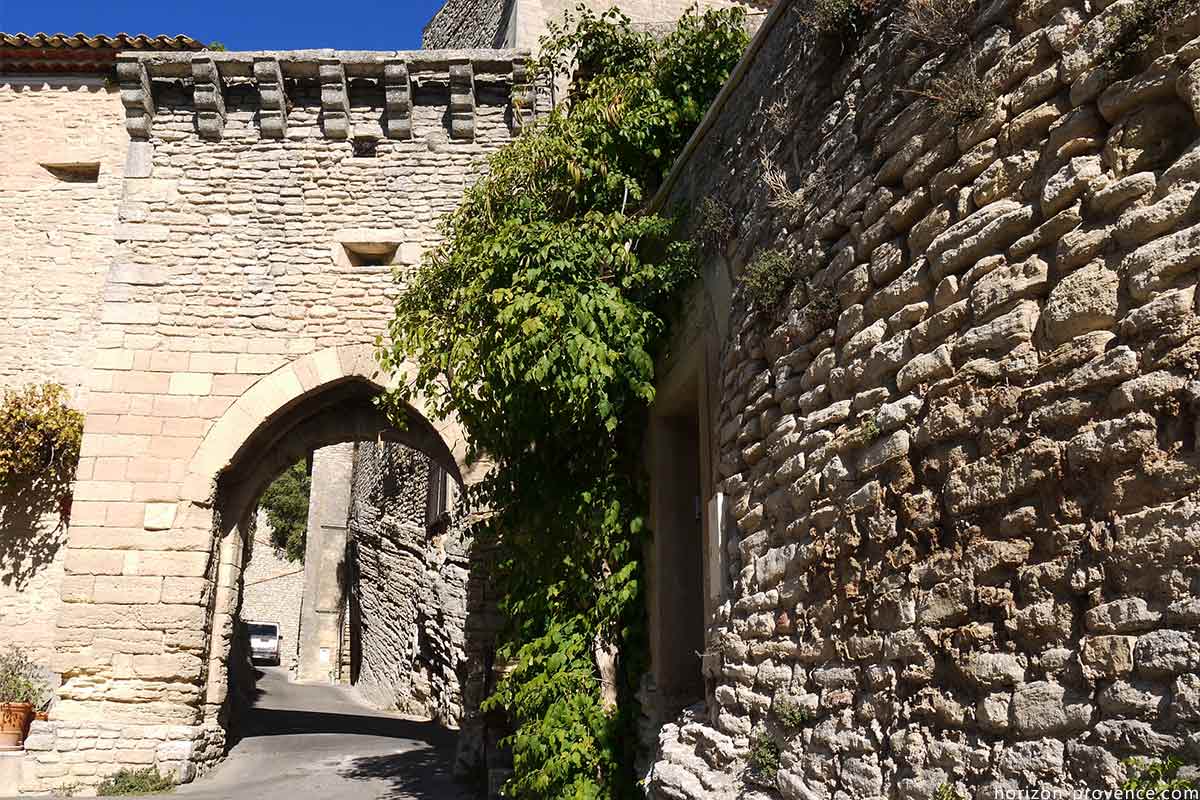
Goult, medieval gate « Porte sud »
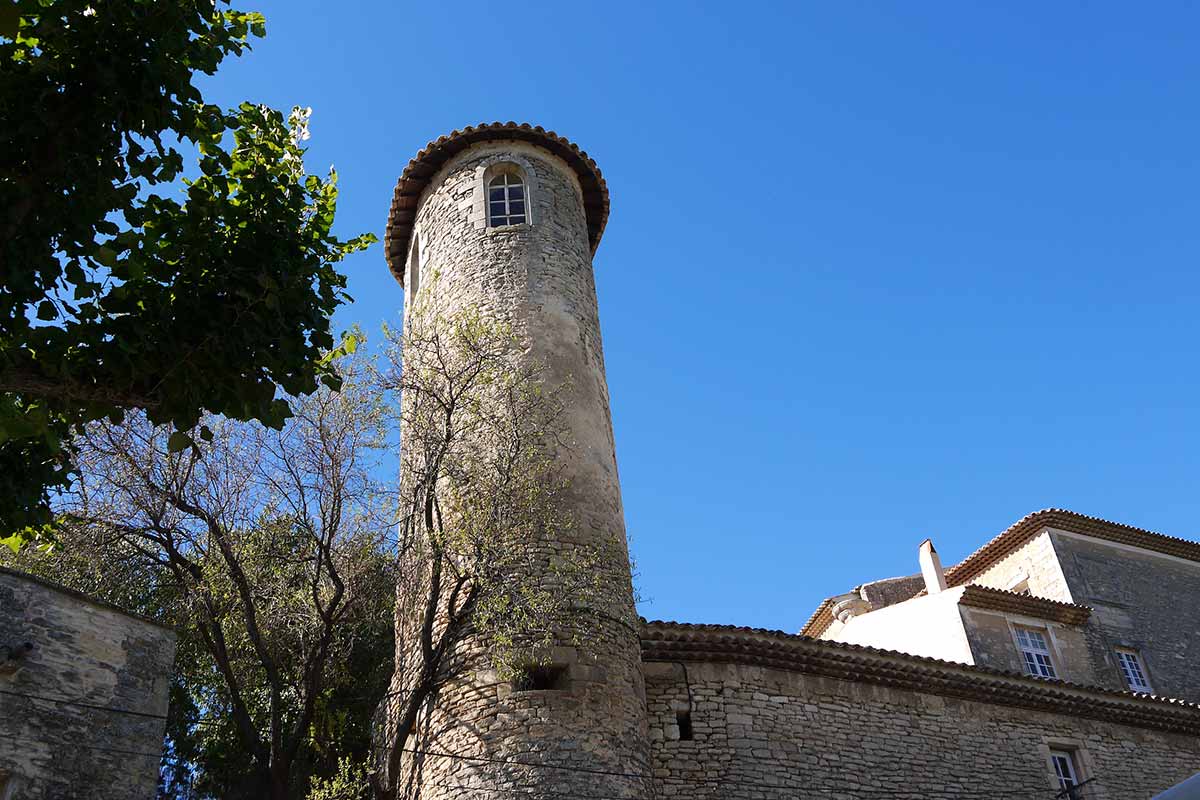
Goult, village in the Luberon
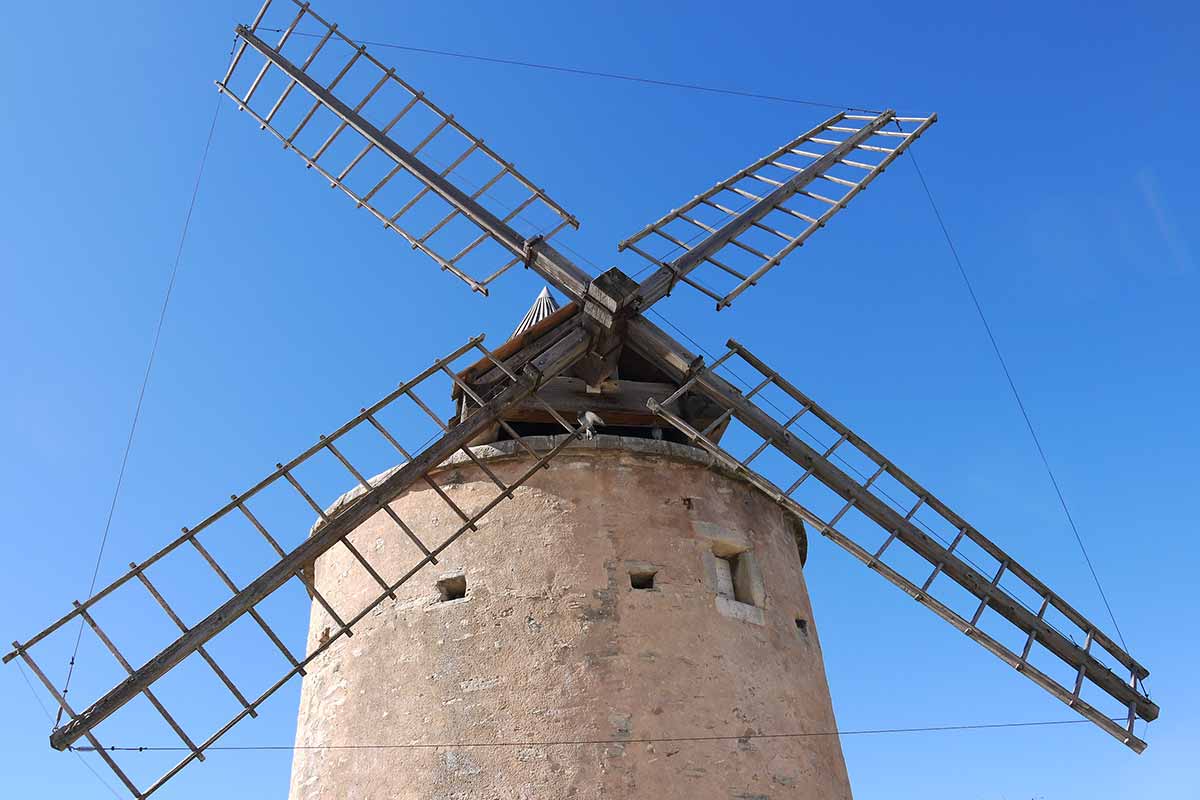
Goult, Jérusalem mill

Goult, village in the Luberon

Goult, outlook over the Monts du Vaucluse and the Mont Ventoux

Goult, Jérusalem mill
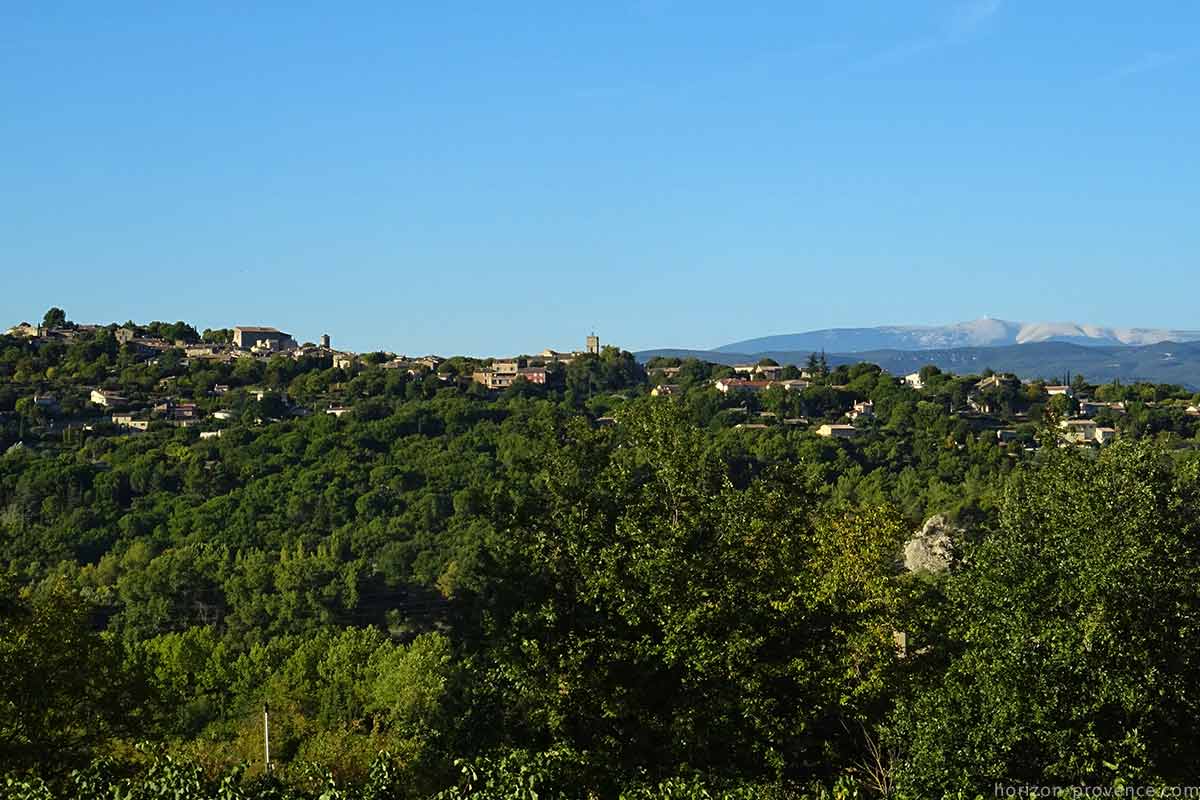
Goult, rue du Four

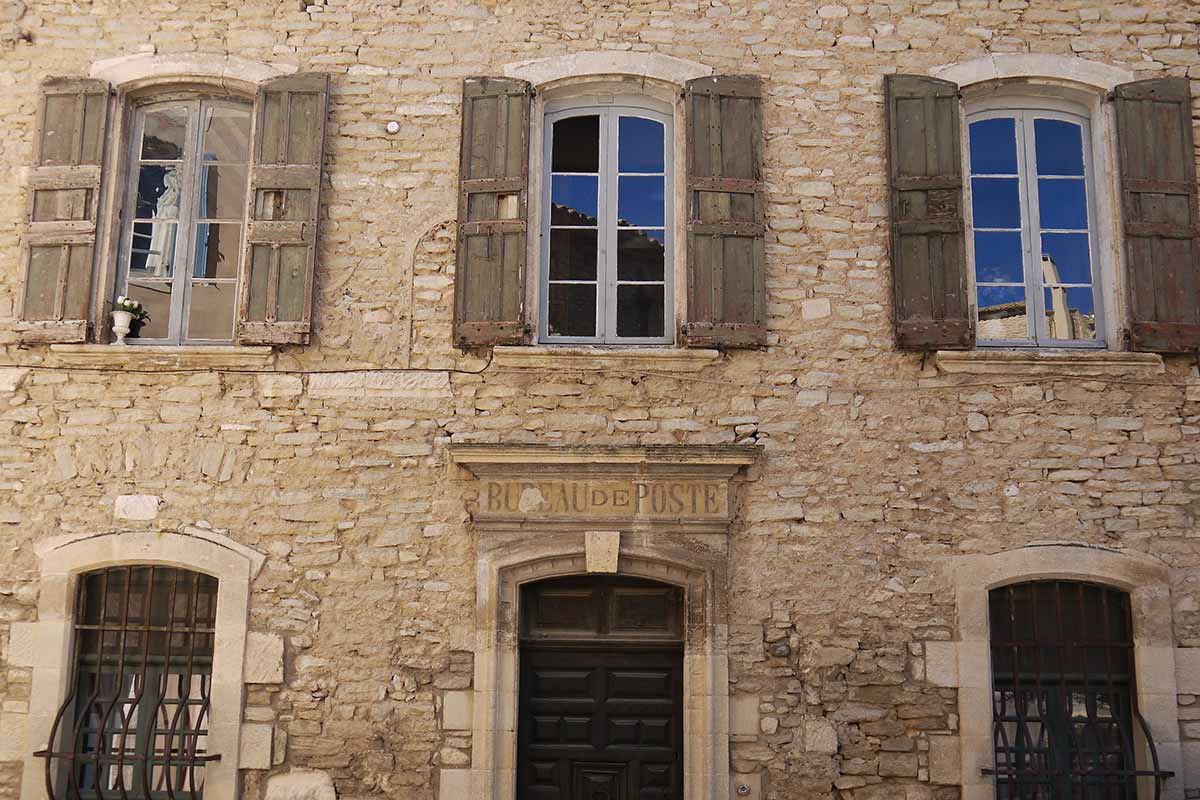
Goult, old post office
Accommodation
Accommodation · Guest Houses in Provence PortalGuest houses near Goult Explore the selection of bed and breakfasts, gîtes and holiday rentals to plan your stay. View the selection →
Sights and activities
Goult's official website goult.fr
- Picturesque Village
- Saint-Sébastien church
- Ramparts
- Medieval Gates
- Castle (private)
- Notre-Dame des Lumières
- Romanesque chapel Saint-Véran (outside the village)
- Preserved agricultural terraces.
- Weekly market on Thursday morning
Getting to Goult
GPS coordinates N 43°51'49'' - E 5°14'32''
The town of Goult is part of the Luberon Regional Nature Park
Location : altitude 325 metres, 1200 inhabitants, 4 miles from Lacoste, 5 miles from Roussillon, 5 miles from Ménerbes, 8 miles from Gordes, 11 miles from Apt, 24 miles from Avignon