

Hilltop villages of the Luberon
Six villages, stone lanes and landscapes to explore
The hilltop villages of the Luberon first reveal themselves from a distance: a silhouette on a hill, houses gathered around a church or a château. Then the view becomes more intimate. A lane, a stairway, a doorway or a façade invites you to continue the walk.
I suggest six stops drawn from my photographic reports. From the pale stone of Gordes to the ochres of Roussillon, they show different ways of living on the heights of the Luberon and its surroundings.
Explore these photographs in any order, then discover each village in its full report. The photographs come from the Horizon Provence archives.
1. Gordes: stone in the light

The houses of Gordes seem to extend the rock beneath them. Seen from the outskirts, their shapes form a silhouette that changes with the light throughout the day.
The walk continues through the streets, around the château and along quieter passages. The report alternates broad views with details, gradually drawing you into this village of stone.
2. Roussillon: a village in ochre colours

In Roussillon, colour accompanies the discovery of the village. Façades range from yellow to red, while the pines and the sky bring out the shades of the earth.
The photographs invite you to look at the squares and streets before continuing towards the Ochre Trail. Here, the landscape and the houses share the same palette.
3. Bonnieux: climbing towards the upper church
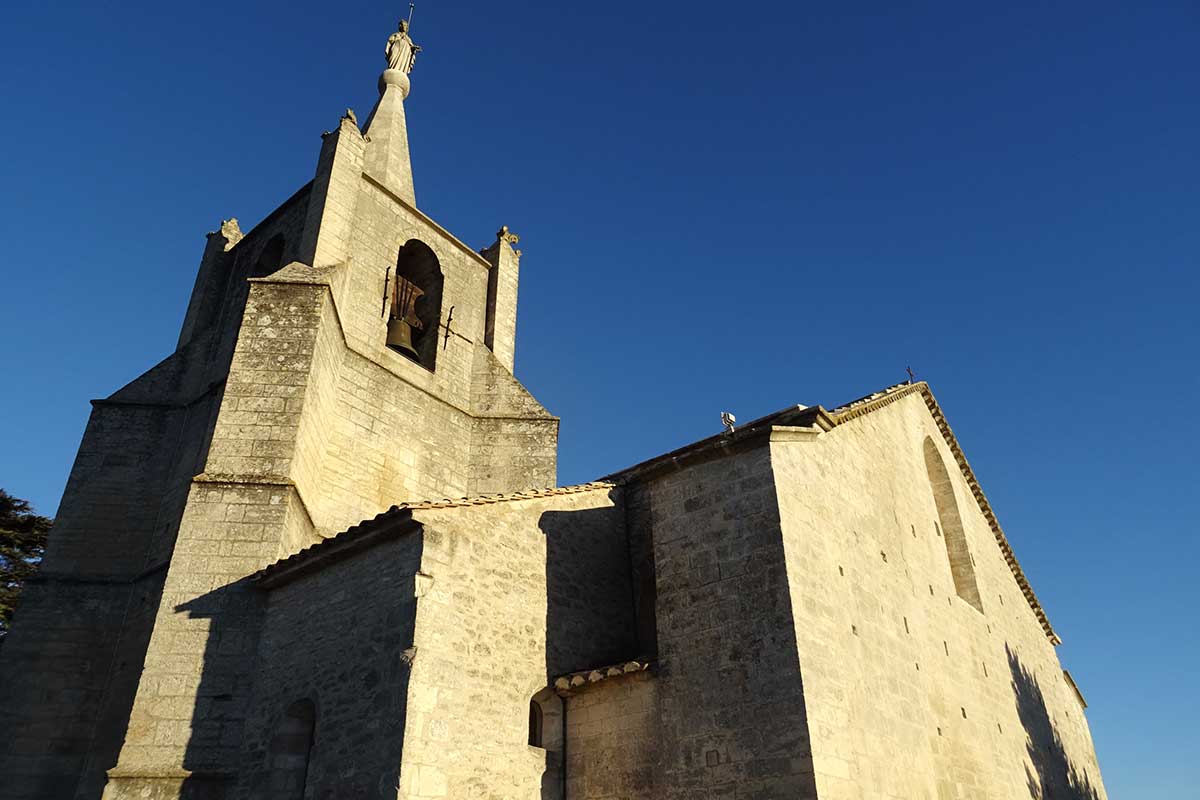
Bonnieux reveals itself as you climb. Streets and steps lead towards the upper church, while the valley gradually opens out below the village.
The report also looks at Bonnieux from the surrounding countryside. It continues towards the Pont Julien and the cedar forest, offering other views of this part of the Luberon.
4. Ménerbes: a long silhouette on the ridge

Ménerbes stretches along a rocky spur. Seen from the countryside, the village suggests a long stone ship resting above cultivated land.
Inside the village, façades and openings towards the landscape catch the eye. The report brings together its presence in the valley and closer views of the village.
5. Lacoste: stone lanes leading to the château

The lanes of Lacoste climb between stone houses towards the château. Passages, doorways and cobbled streets set the rhythm of the walk.
From the heights, the landscape becomes more prominent. The photographs bring together the village silhouette and the details discovered on foot.
6. Oppède-le-Vieux: stone and greenery

In Oppède-le-Vieux, the lanes climb the slopes of the Luberon between old façades and greenery growing among the stones. The church and the remains of the castle stand above the village.
This final stop invites a slower pace: look at a doorway, follow a cobbled lane, then turn back towards the plain. The report follows this alternation between details and open views.