


Beside the Mediterranean, Saintes-Maries-de-la-Mer brings together a fortified church, pilgrimage traditions and the open landscapes of the Camargue. This photo tour explores the village and landmarks from its history.
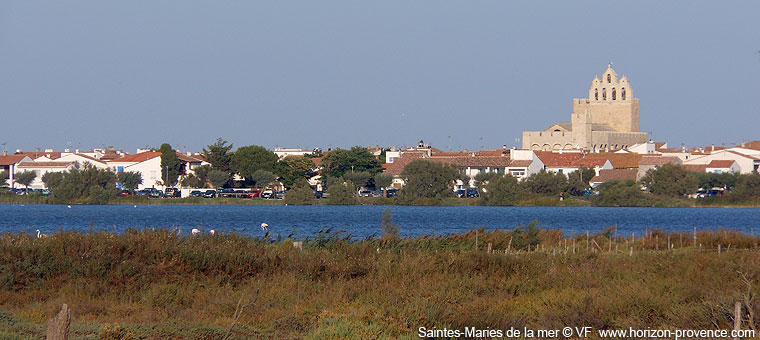
A village on the Camargue coast
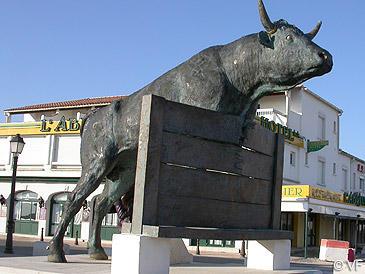
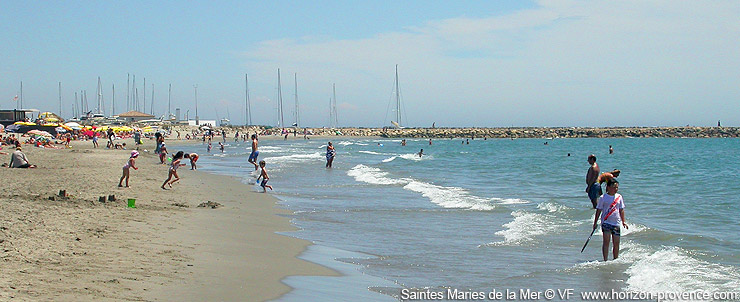
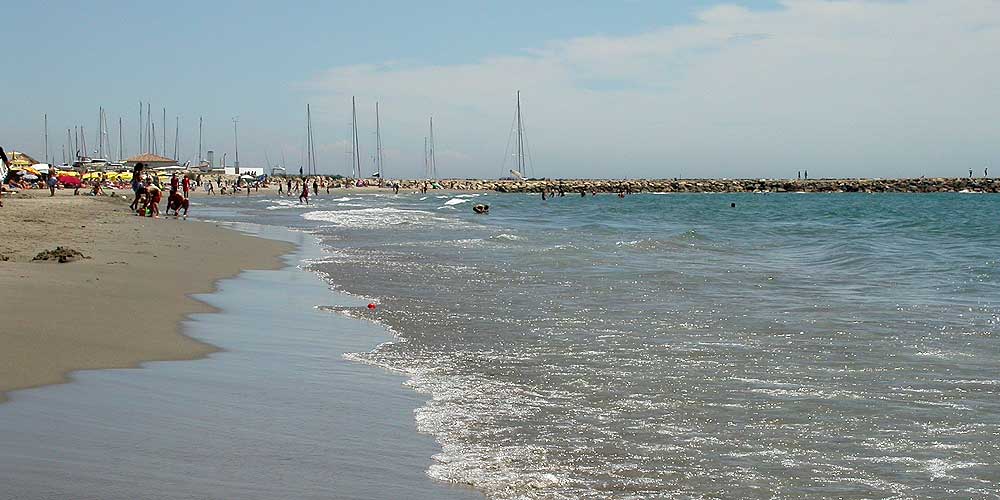
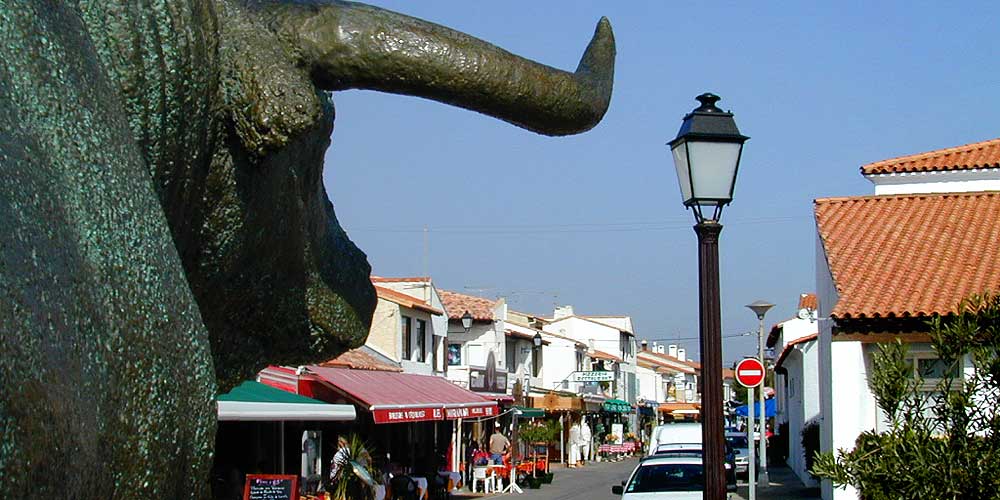
Saintes-Maries-de-la-Mer stands on the Mediterranean coast near the mouth of the Petit Rhône. This pilgrimage destination hosts the procession of Sara the Black on 24 May. It is also a seaside resort where visitors come for the beaches and Camargue landscapes.
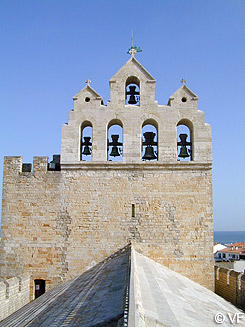
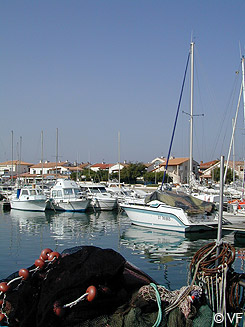
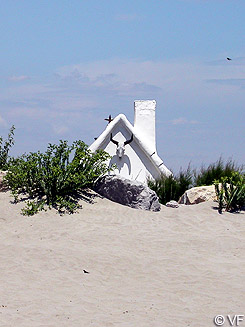
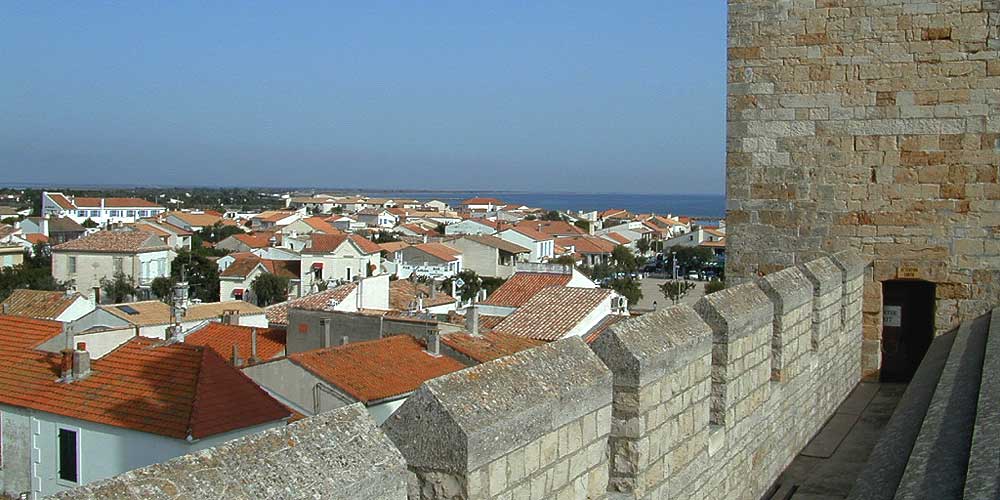
The development of Saintes-Maries-de-la-Mer as a seaside resort is relatively recent; the place has been occupied since at least Roman times. The village, lost at the end of the Rhone delta did not offer easy living conditions, located at the moving boundary between land and water, built on an island facing the sea, surrounded by marshy ponds.
This outpost was on the front line against invaders from the sea: the Vikings stayed there in winter 859-60, and in 869 the Saracens kidnapped Rotland the bishop of Arles. Despite the payment of a ransom, the inhabitants of Arles recovered only his body.
The fortified church and pilgrimages
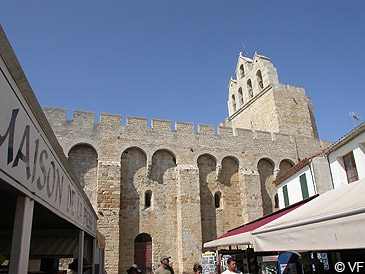
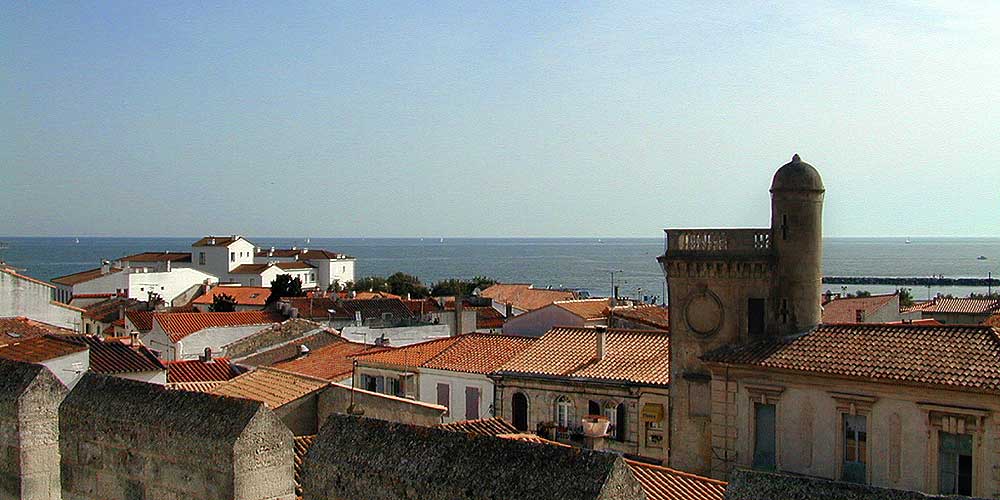
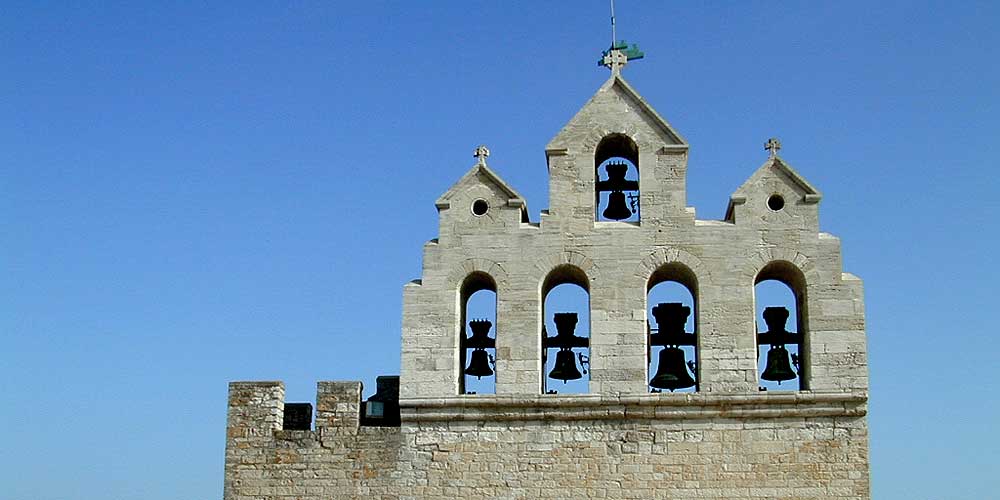
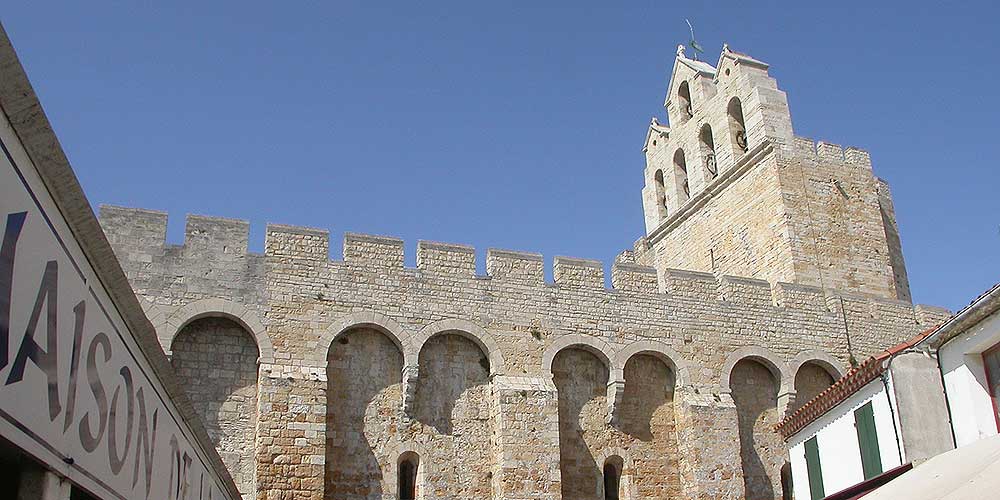
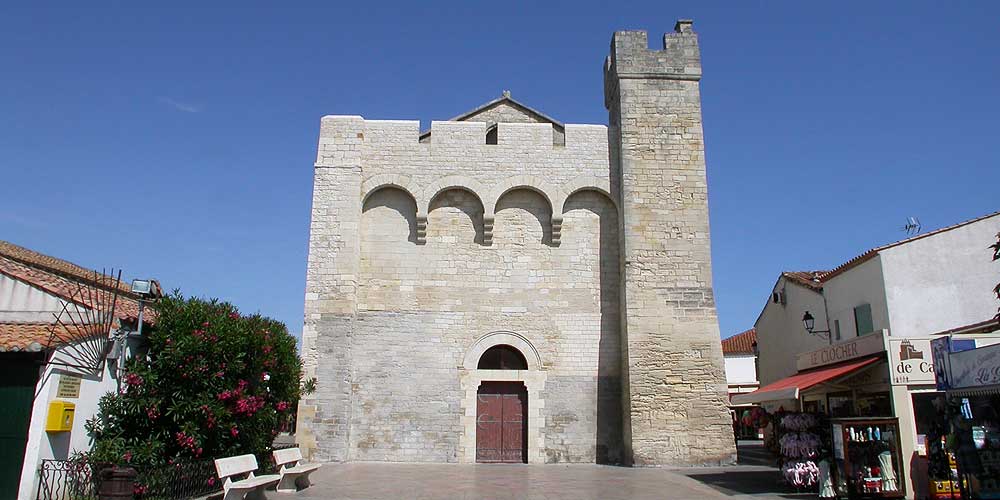
The old village of Saintes Maries de la Mer clusters around its fortified church, built in the 12th century on the site of an older chapel, itself probably built on the site of a Roman temple. The building is austere, thick walls are pierced with loopholes and are crowned with machicolations. Inside the church a well provides a water supply.
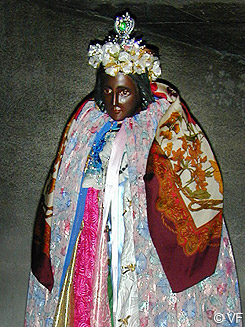
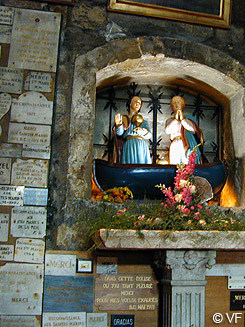
Provençal tradition tells of Marie-Jacobé and Marie-Salomé arriving by sea and associates Sara with their story. These accounts belong to religious tradition. The May pilgrimage includes Sara’s procession to the sea on the 24th and the procession of the Saintes Maries on the 25th.
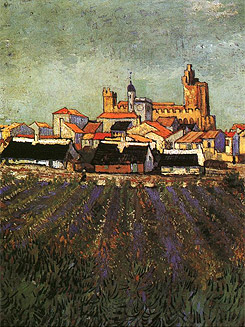
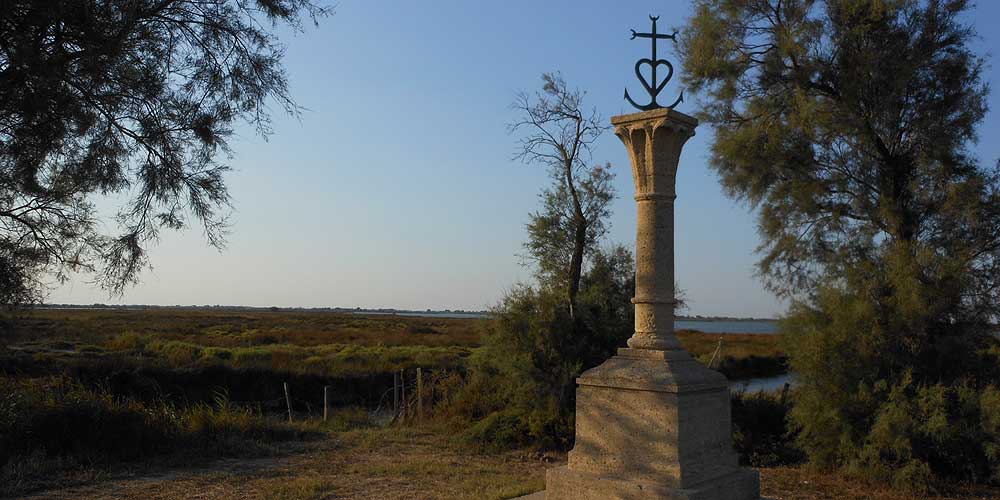
Saintes-Maries-de-la-Mer holds an important place in Provençal culture. Frédéric Mistral set the ending of Mireille here. The Marquis Folco de Baroncelli, founder of the "Nacioun Gardiano", friend of félibres Mistral and Roumanille was the great defender of the culture and traditions of the Camargue. He is buried near the town of Saintes-Maries.
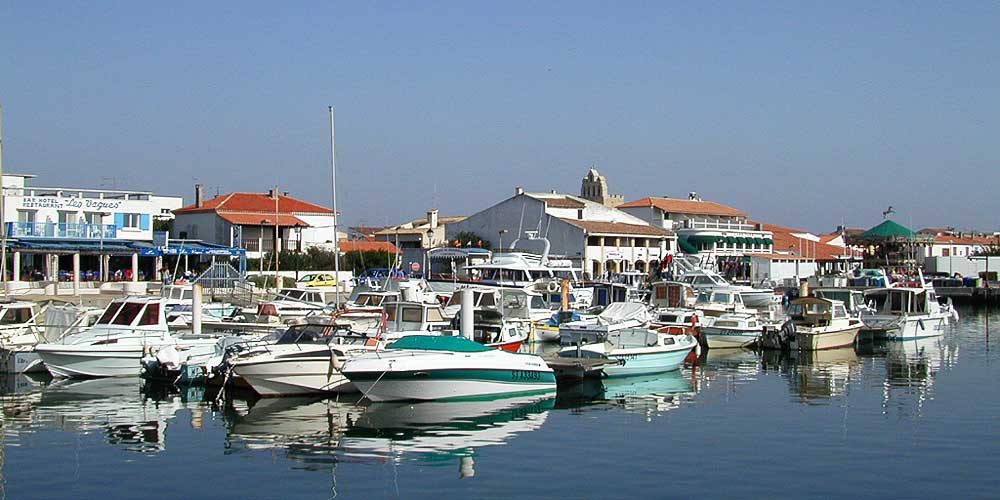
The painter Vincent Van Gogh spent a few days at Saintes-Maries in June 1888. He painted the village of fishermen, and the boats beached on the shore. "Port Gardian" the marina is a development dating from the 1960s marking the transformation of the village into a seaside resort. Developments of holiday homes have emerged from the sandy soil around the city to host the influx of summer visitors. However, you only need to leave the town to discover the remarkable natural landscapes of the Camargue.
Les Saintes-Maries-de-la-mer in photos : slideshow

Planning your visit
The village, church interior and rooftop terraces have separate visiting arrangements. Pilgrimages draw large crowds: check programmes and traffic information. For beaches and Camargue walks, follow authorised access routes and local information.
Accommodation in Saintes-Maries-de-la-Mer and nearby
Accommodation · Guest Houses in Provence PortalGuest houses near Les Saintes-Maries-de-la-Mer Explore the selection of bed and breakfasts, gîtes and holiday rentals to plan your stay. View the selection →
Tourist office web site : www.saintesmaries.com
Coming to Saintes-Maries-de-la-mer
GPS coordinates N 43°27'11'' - E 4°25'44''
The town of Les Saintes-Maries-de-la-Mer is located in the department of Bouches-du-Rhône, in the Regional Natural Park of Camargue.
Saintes-Maries-de-la-mer location : altitude 2 metres, 2300 inhabitants, 17 miles from Aigues Mortes, 18 miles from La Grande Motte, 19 miles from Salins de Giraud, 21 miles from le Grau du Roi, 22 miles from Arles, 47 miles from Avignon.