


Elected in 1394 as Benedict XIII, Pedro de Luna succeeded Clement VII in the Avignon obedience. His refusal to abandon his claim prolonged the divisions of the Western Schism.
Pedro de Luna, elected in 1394
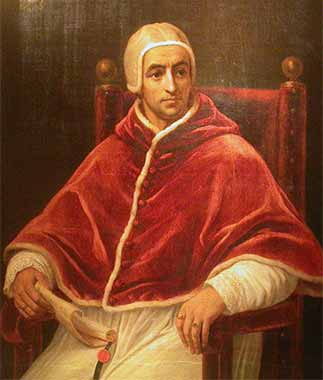
Portrait of the antipope Benedict XIII by Henri Serrur — Palais des Papes, AvignonThe Aragonese cardinal Pedro de Luna was elected on 28 September 1394. Taking the name Benedict XIII, he defended the legitimacy of the Avignon obedience against Rome. Efforts to reunite the Church foundered on disagreements over how the rival claimants should withdraw.
Isolation and the councils
France temporarily withdrew its support from Benedict XIII, who was besieged and then confined in the Palais des Papes. He left the palace in 1403. The Council of Pisa in 1409 tried to depose both rivals and elect a new pope, but their refusal resulted in three competing obediences.
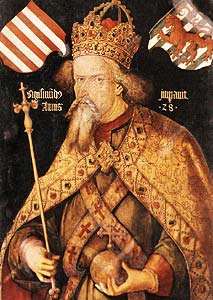
Portrait of Emperor Sigismund of Luxembourg by Albrecht Dürer
Constance and the end of the Western Schism
The Council of Constance, convened from 1414 with Emperor Sigismund’s support, led to the election of Martin V in 1417. Benedict XIII refused to submit and retired to Peñíscola, maintaining his claim until his death in 1423. He was the last of the two antipopes of the Avignon line during the Western Schism.
Continue with the Palais des Papes and the history of the Avignon papacy.