


Between Avignon and Orange, Châteauneuf-du-Pape combines the remains of John XXII’s château with vineyard landscapes. This photo tour explores the village, introduces its wine appellation and recalls the Véraison festival.
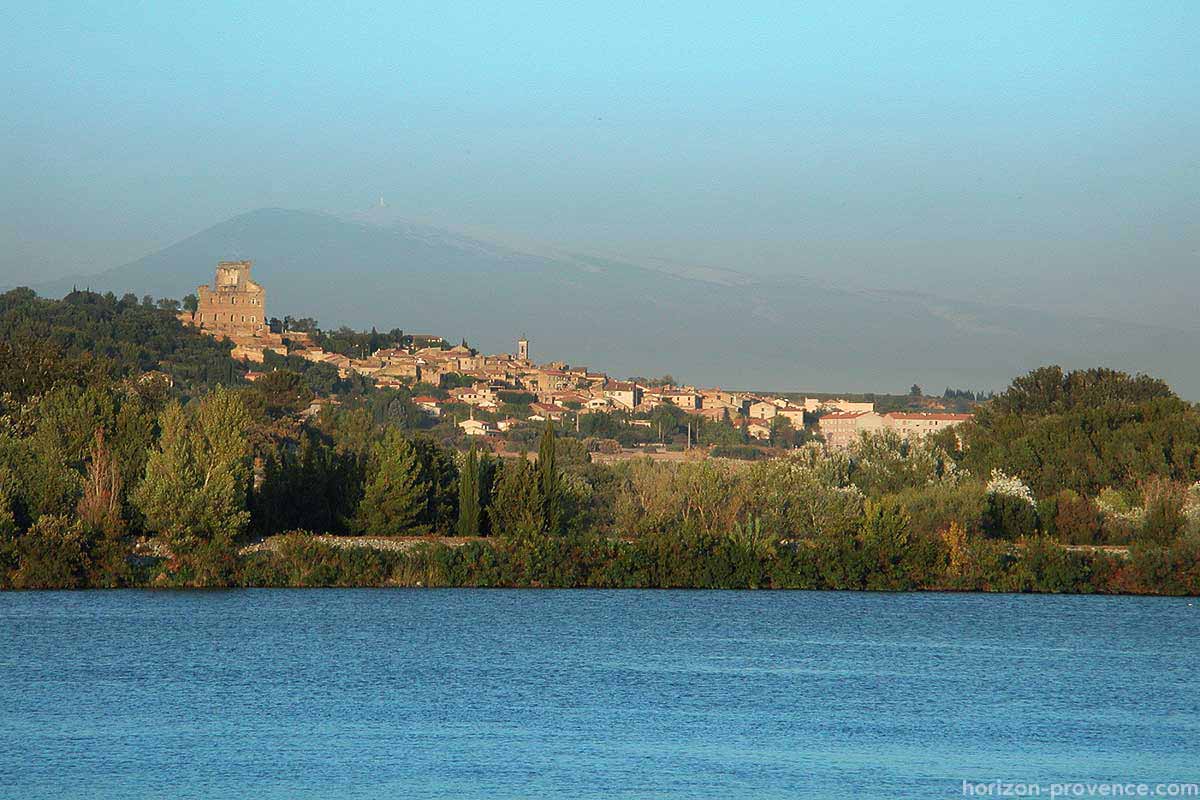
Châteauneuf-du-Pape, a village in Provence
Every wine lover knows Chateauneuf-du-Pape. The village of Provence is famous worldwide for the quality and reputation of its wines. Chateauneuf-du-Pape is sitting on a large hill, all around rows of vines hug the gentle slopes, contours, hollows and elevations.
Châteauneuf-du-Pape is located in the Vaucluse department halfway between Avignon and Orange in the valley of the Rhone which borders its territory.


Tasting the wine and exploring the terroir justify a stop in Châteauneuf-du-Pape, visitors will find there vineyards and wineries in abundance. But the village also offers some attractions that you should not ignore.
The imposing ruins of a 14th century castle overlook Chateauneuf-du-Pape, it was erected by Pope John XXII of Avignon who used it for temporary residence. It was heavily damaged during the Wars of Religion, when the village was occupied by the Huguenots.


The corner tower and a wall were left. The recent destruction dates from the Second World War, the castle was used as a watchtower and ammunition depot for the German army. An explosion left only the façade of the tower standing. The old village has kept its old stone houses. The church, originally Romanesque, has undergone many restorations.
You may climb to the castle, the view is magnificent: upon the plain of Comtat Venaissin, Mountain of Montmirail and Mont Ventoux to the east, the valley of the Rhone, Avignon and the Alpilles in the south, the rocky heights and the scrublands of Gard Provencal on the right bank of the river.
Chateauneuf-du-Pape Wine
The fame of the wine of Châteauneuf-du-Pape comes from ancient times. The origin of the vineyard dates back to the middle ages when the popes resided in Avignon. The wine was served at the court of Louis XIV. The vineyard is strongly affected by the phylloxera epidemic in the late 19th century, it was replanted in the early 20th century, maintaining its focus on quality, served by an exceptional terroir.
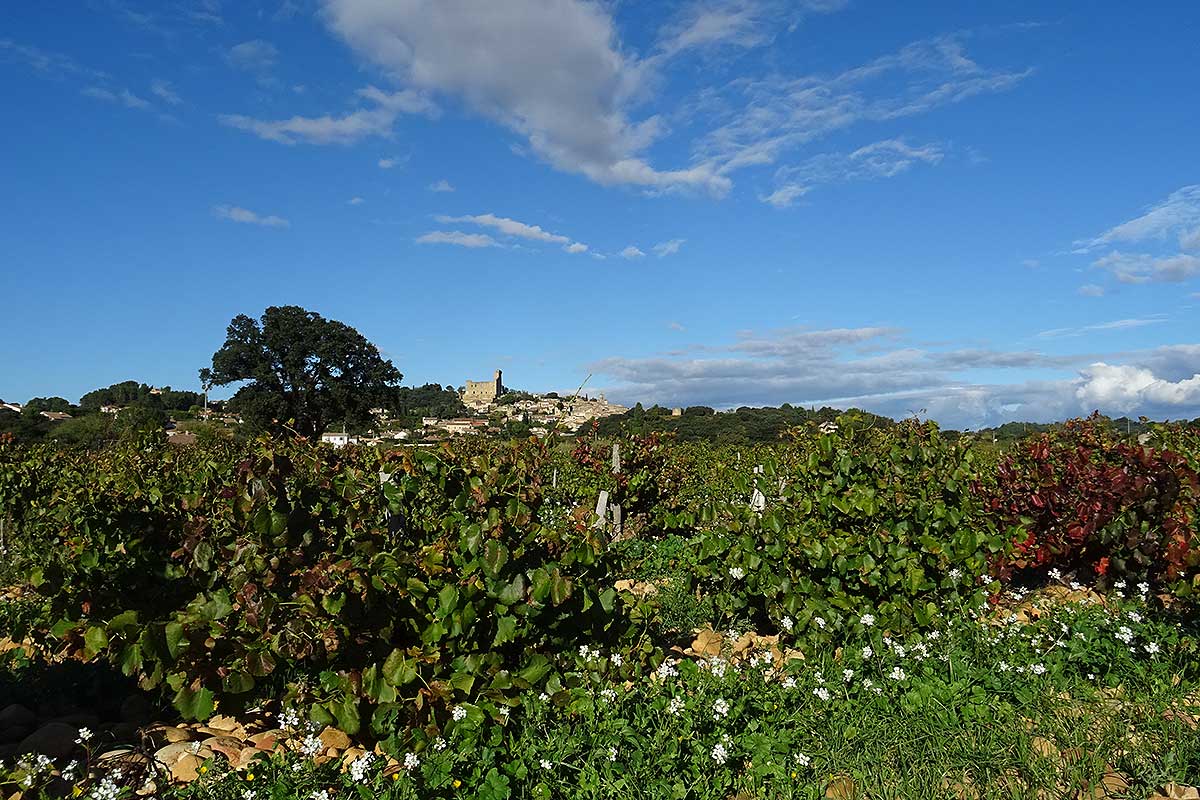
What is the secret of the wine of Châteauneuf-du-Pape, the most famous wines of the Côtes-du-Rhône ?
- Châteauneuf-du-Pape wines can blend several authorised grape varieties, including: Grenache, Syrah, Mourvedre, Cinsault, Muscardin,
Counoise, Vaccarese, Picpoul, Terret Black, Clairette, Bourboulenc
Roussanne, Picardan. Composition is the secret of the winemaker.
Rounded pebbles are emblematic of Châteauneuf-du-Pape, but they do not cover the entire appellation. Sand, safre sandstone and limestone soils also shape the vineyards and contribute to the wines’ diversity.
Recognised in 1936, the AOC regulates the production area, grape varieties and harvesting practices. The appellation’s specification sets out the detailed rules.
The appellation produces both red and white wines. Volumes and their proportions vary by vintage; a single year’s figures do not represent production in every season.
See our List of Châteauneuf-du-Pape wine estates (fr)
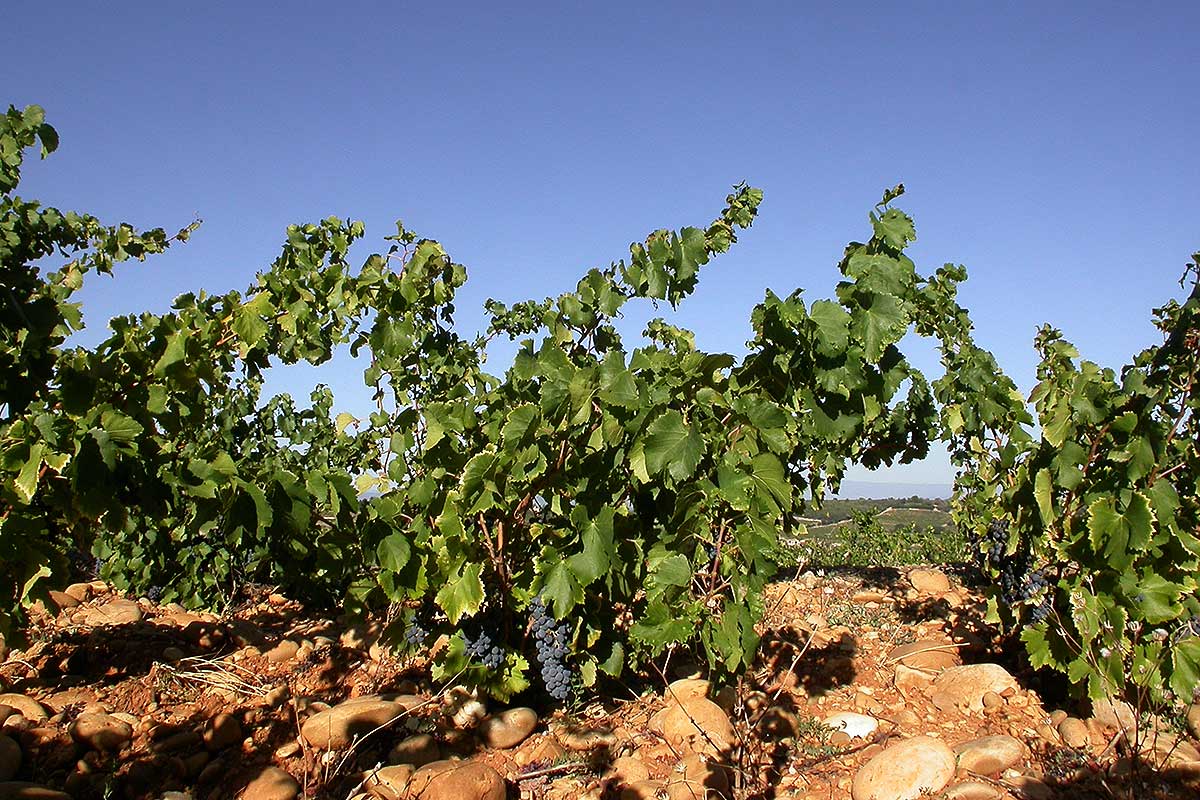
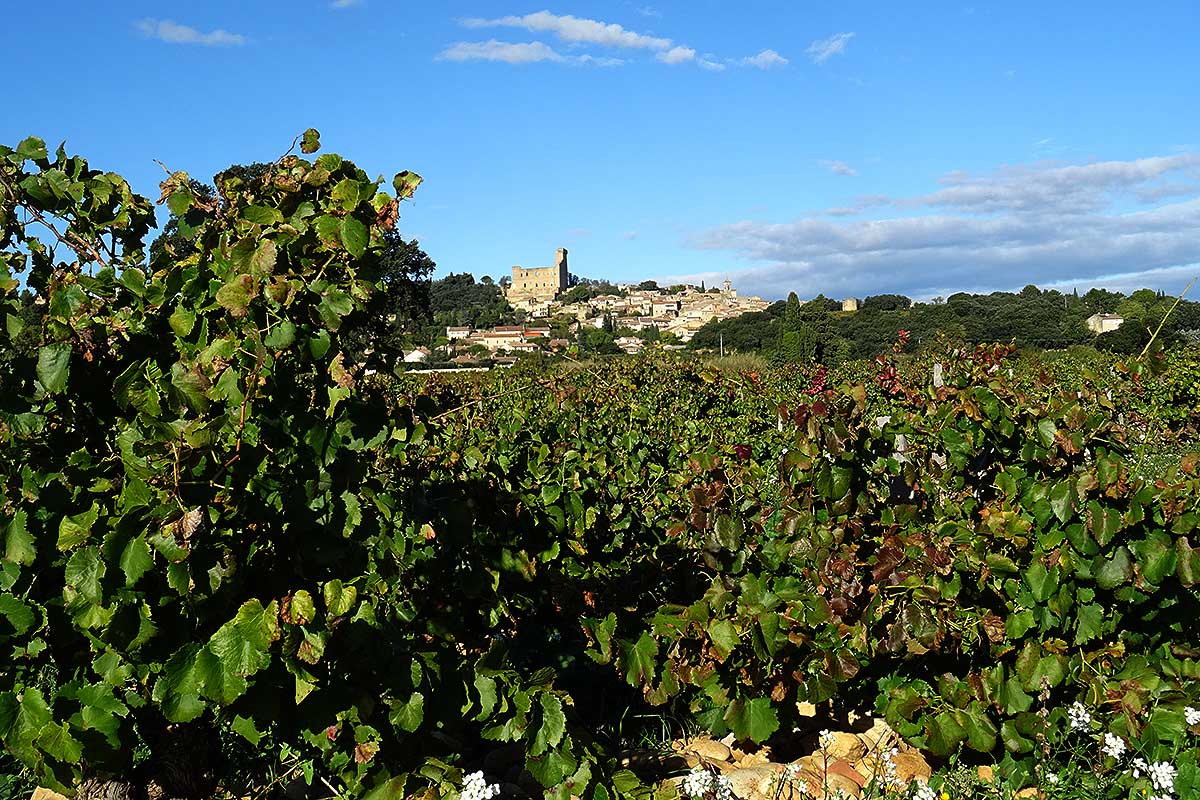
The taste of red wine from Châteauneuf-du-Pape is incomparable: powerful, strong and generous, but still very balanced and deep in the mouth. It is a wine of character that ages exceptionally well.
Véraison Day in Chateauneuf-du-Pape
The Véraison festival brings the village to life in summer around the start of grape ripening. Photographs in this report recall the event’s atmosphere; check the current year’s programme for dates and activities.

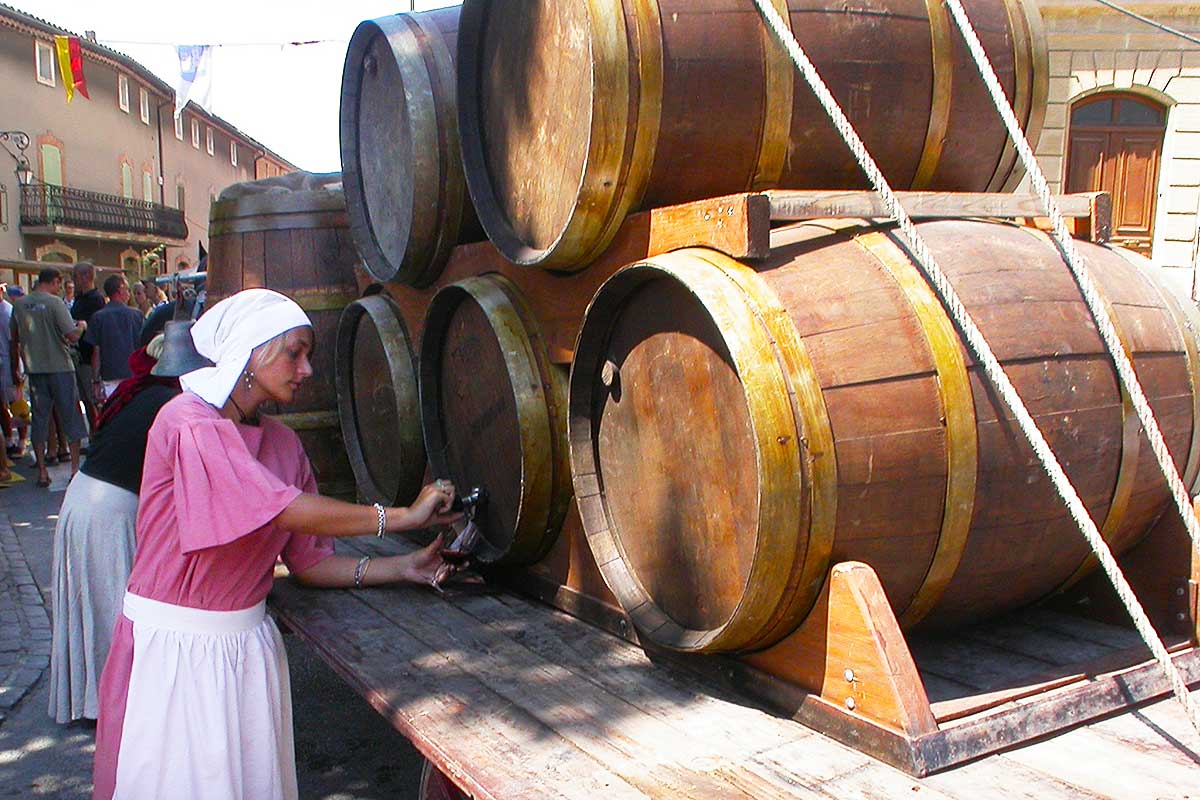
This crucial moment for quality of wine is now the opportunity to celebrate the Chateauneuf-du-pape wine. Of course, the wine of Châteauneuf-du-Pape is flowing, the growers, producers and merchants invite visitors to sample their precious wines, offering a chance to taste, compare and savour different vintages.
The Véraison Day combines wine and the Middle Ages: the village streets fill with processions and parades of medieval soldiers. A medieval market settles, and even a medieval ball is held in Place de la Renaissance.
Châteauneuf-du-pape in photos : slider
-
Châteauneuf-du-Pape, a village in Provence

Châteauneuf-du-Pape and its vineyards
-
The chapel of Blessed Pierre de Luxembourg in Châteauneuf-du-Pape
-
Châteauneuf-du-Pape and its castle in the Middle Ages
-
Châteauneuf-du-Pape and its vineyards
-
Châteauneuf-du-Pape vineyard

Châteauneuf-du-Pape Castle

Church Notre-Dame de l'Assomption in Châteauneuf-du-Pape
-
Fête de la Véraison in Châteauneuf-du-Pape
-
Châteauneuf-du-Pape village
-
Châteauneuf-du-Pape Castle
-
Châteauneuf-du-Pape vineyard
-
Véraison Day in Châteauneuf-du-Pape

Souspiron Fountain in Châteauneuf-du-Pape
Planning your visit
The climb to the château offers views of the vineyards and Rhône valley. For a tasting or estate tour, check opening times and book when required. Consult current festival dates and exhibition opening arrangements before your stay.
Accommodation near Châteauneuf-du-pape
Accommodation · Guest Houses in Provence PortalGuest houses near Châteauneuf-du-Pape Explore the selection of bed and breakfasts, gîtes and holiday rentals to plan your stay. View the selection →
Sights and activities
Tourist office website : chateauneuf-du-pape-tourisme.fr
- Véraison festival in summer: check the current programme.
- Feast of St. Marc (Feast of winemakers) in April
- Wine Museum
- Museum of winemakers tools
- Weekly Market: Friday morning
Coming to Châteauneuf du Pape
GPS coordinates N 44°03'22'' - E 4°49'53''
Châteauneuf-du-pape location : altitude 75 metres, 2100 inhabitants, 10 km from Orange, 12 km from Avignon, 14 km from Saint-Laurent-des-Arbres, 20 km from Tavel, 26 km from Vacqueyras, 27 km from Gigondas
Getaway · Guest Houses in Provence PortalThe château of Châteauneuf-du-Pape, imprint of the popes among the vineyardsRead my photographic report on the Portal. Read the getaway →